

Why Do Dogs Eat Their Vomit: Normal or Worry? | Pawgram
A Simple Step-by-Step Guide for Dogs Facing Different Types of Ticks
Pawgram.pet
January 29, 2026
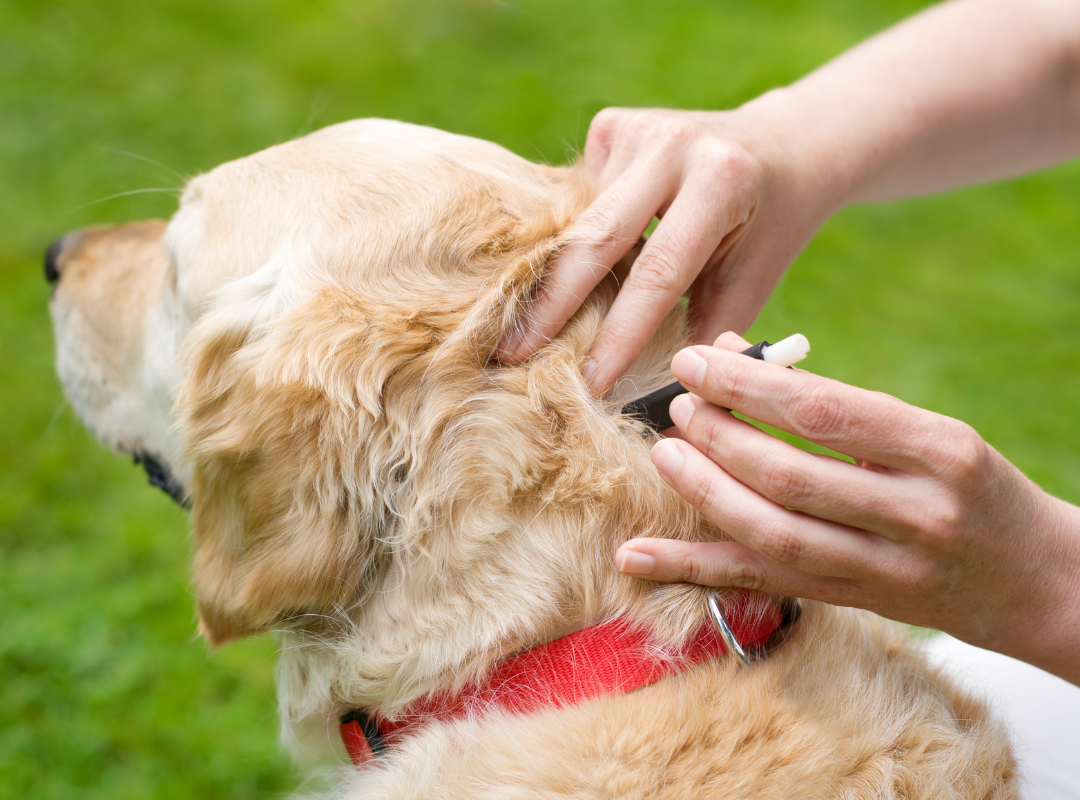
If you’ve been a dog parent long enough, you already know one truth nobody warns you about: ticks never take a day off. In 2025, with unpredictable weather patterns, longer humid spells, and increased outdoor activity among urban pet homes, tick outbreaks have become more common than ever.
And what makes it tricky is that dogs don’t deal with just one species, there are different types of ticks, each with its own behaviour, hiding habits, and health risks.
This guide breaks the whole process down in the most practical, pet-parent-friendly way:
how to identify tick types, how to safely remove them, how to prevent future infestations, and how to choose the right products like tick removal tools and flea tick medicine for dogs.
Let’s walk you through it, step by step.
Understanding the Different Types of Ticks Your Dog May Encounter
Most dog parents think all ticks look the same. But as any vet or groomer will tell you, recognising the different types of ticks is the first step to preventing a bigger health scare.
Here are the most common ones in Indian climates (urban + semi-urban households):
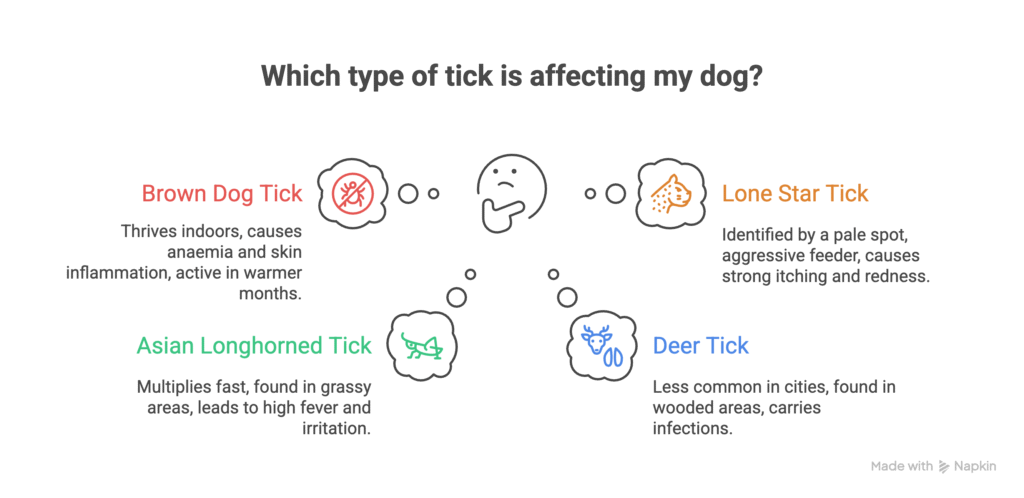
1. Brown Dog Tick
- Thrives indoors
- Hides in corners, gaps, crates, carpets
- Causes anaemia and skin inflammation
- Most active during warmer months
2. Asian Longhorned Tick
- Known for multiplying extremely fast
- Found in grassy parks, hiking trails, and unclean yards
- Can lead to high fever and major irritation
3. Deer Tick
- Less common in busy cities but found around farms, outskirts, and wooded areas
- Can carry infections if left untreated
- Hard to spot because of its tiny size
4. Lone Star Tick
- Identified by a small pale spot on its back
- Aggressive feeder
- Causes strong itching and redness
When you know what you’re dealing with, choosing prevention and tick removal methods becomes much easier.
Spotting a Tick Before It Becomes a Problem
Ticks operate quietly. Many pet parents don’t notice them until their dog starts scratching excessively or acting restless. Here’s what to look for:
- Sudden itching in specific spots
- Small bumps under the fur
- Tiny dark or reddish dots stuck to the skin
- Crusty or irritated patches
- Scabs that seem to reappear repeatedly
- Unusual lethargy or loss of appetite
Remember: early detection can prevent infections, fever, Lyme-like illnesses, or skin damage.
Step-by-Step Tick Removal You Can Safely Follow at Home
Before you jump straight in, breathe. You don’t have to panic or rush, ticks detach better when handled calmly and correctly.
This is how professionals recommend doing tick removal at home:
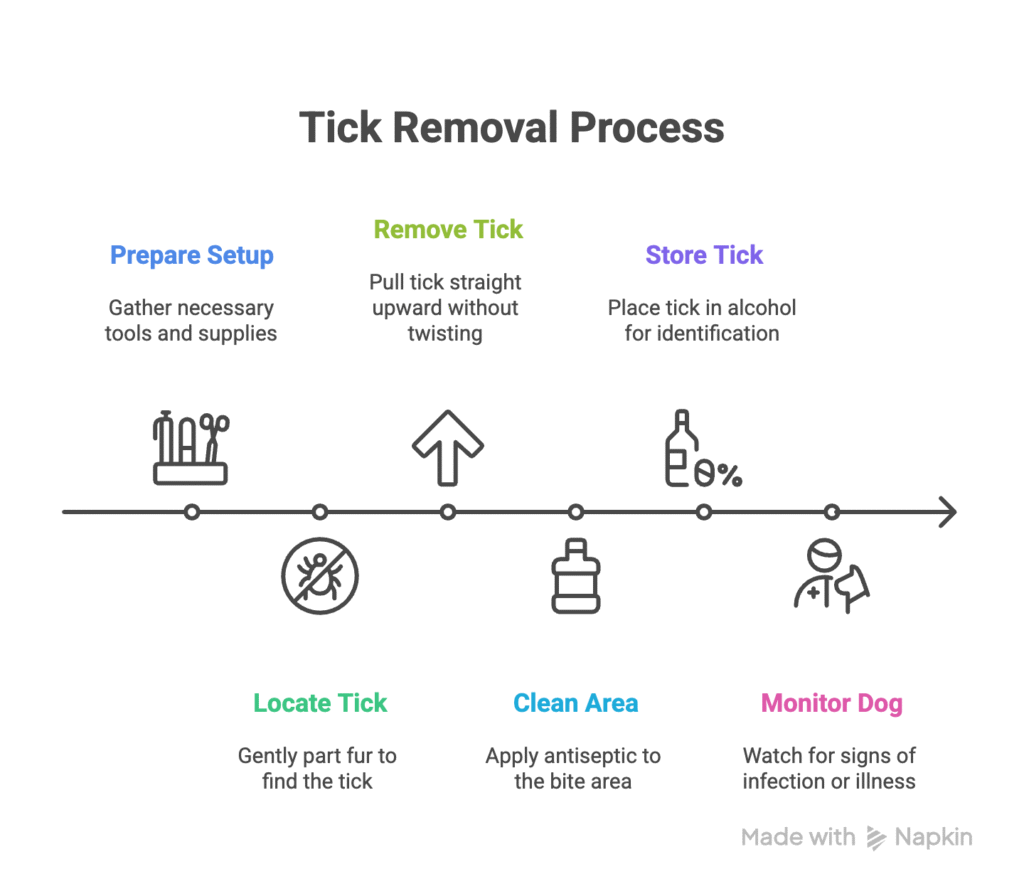
Step 1: Prepare a Clean Setup
You’ll need:
- A fine-tipped tweezer or a tick-removal tool
- Gloves
- Antiseptic spray or pet-safe cleanser
- A small container with rubbing alcohol
- Cotton pads
You can also cross-check product choices on reliable sources such as:
- Veterinary dermatology associations
- Pet health organisations
- Your vet’s recommended list
Step 2: Part the Fur and Locate the Tick
Move the fur aside gently so you can see clearly.
Avoid scratching or pulling abruptly.
Step 3: Pull the Tick Out Correctly
Hold the tick close to the skin, don’t squeeze its body.
Pull straight upward.
No twisting. No jerking.
Step 4: Clean the Area
Use antiseptic to reduce irritation and infection risk.
Step 5: Store the Tick Safely
Drop it into the alcohol container.
Why? Because it helps record what species your dog picked up (useful for your vet) and ensures it’s fully neutralised.
Step 6: Monitor Your Dog
If you notice:
- swelling
- redness
- fever
- unusual behaviour
then get a vet check immediately. Some tick bites need quick medical attention.
Using Flea Tick Medicine for Dogs: What Works in 2025
The pet care market has evolved, and so have the formulas. Today’s flea tick medicine for dogs is more targeted, safer, and effective for long-term protection.
Here’s how to choose what fits your dog:
1. Chewable Tablets
- Fast acting
- Vet-prescribed
- Ideal for active pets
- Offers protection for a month or more
- Easy for dogs that hate topical products
2. Topical Serums
- Applied on the back of the neck
- Works well for tick-prone neighbourhoods
- Water-resistant formulas are now better than before
3. Tick Prevention Collars
- Slow-release technology
- Covers neck and upper body areas
- Good for mild tick seasons
4. Medicated Shampoos
- Supportive, not standalone protection
- Works best when paired with regular preventives
Whichever option you choose, always ensure the flea tick medicine for dogs matches your dog’s age, weight, and health condition. And stick to veterinary-backed brands, 2025 has seen several new entrants in the market, but not all are regulated.
How to Keep Ticks Away Naturally (And Consistently)
Prevention saves stress, money, and time.
Here’s what responsible dog parents do consistently:
- Weekly brushing, especially after outdoor trips
- Monthly grooming sessions
- Washing beds, blankets, and toys often
- Keeping yards clean and grass trimmed
- Using vet-approved natural repellents
- Regularly checking ears, paws, and under the collar
- Maintaining a hygiene routine even in winter months
Indoor ticks are becoming more common, especially in upper-floor apartments, so maintaining a clean environment matters more than it did a few years ago.
When Should You Visit the Vet Immediately?
Don’t wait if your dog shows:
- Extreme fatigue
- Swollen lymph nodes
- Continuous fever
- Sudden pale gums
- “Drunken” walking
- Vomiting after a tick bite
- Rapid spreading of rashes
These signs may indicate infection. Your vet may run a blood test and adjust your dog’s medication or recommend stronger protection methods.
Conclusion: Staying Ahead of Different Types of Ticks Starts With Awareness
The truth is, dogs can’t avoid ticks entirely but you can prevent the damage.
By understanding the different types of ticks, using safe tick removal techniques, and choosing reliable flea tick medicine for dogs, you protect your dog long before a small parasite becomes a big issue.
As a pet parent, the power is in your consistency.
Check regularly, prevent wisely, treat early and your dog stays happier, healthier, and free from tiny troublemakers.
FAQ's
Different ticks have different sizes, colors, and patterns. Brown Dog Ticks are reddish-brown and often found indoors, Deer Ticks are tiny and dark, Lone Star Ticks have a pale dot on the back, and Asian Longhorned Ticks multiply quickly and appear in grassy areas. If you’re unsure, save the tick in alcohol and show it to your vet.
Use a fine-tipped tweezer or a tick-removal tool, grip the tick close to the skin, and pull straight upward without twisting. Clean the bite area with antiseptic afterwards. Never burn the tick, apply oil, or squeeze its body — these methods increase infection risk.
Chewable tablets are the fastest and most reliable, especially for active dogs. Topical serums work well for high-risk areas, tick-prevention collars help during mild seasons, and medicated shampoos add extra support. Always choose vet-approved brands and match the product to your dog’s age and weight.
If your dog shows fever, swollen glands, pale gums, extreme tiredness, drunken walking, vomiting, or spreading rashes, get a vet check immediately. These can be early signs of infection and need quick treatment.
Most Popular Posts

Best Pet Shops in Hyderabad: Your Ultimate Guide for 2026

Do Dogs Need Winter Clothes? A Complete Guide for Pet Parents

Best Small Pets for Apartments: Quiet, Low-Maintenance & Space-Friendly Options

Why Do Dogs Eat Their Vomit: Normal or Worry? | Pawgram

Why Is My Dog’s Eye Red? Causes & Treatment | Pawgram

Best Aquarium Fish for Beginners Guide | Easy & Low-Maintenance Picks

- Pawgram is a loving space for pet parents. We share stories, tips, and care guides that help every paw live happier and healthier.
Contact US at bow@pawgram.pet
Copyright © 2025 Pawgram | All rights reserved.