

Best Pet Shops in Hyderabad: Your Ultimate Guide for 2026
Dog Winter Care Made Easy: How to Keep Your Pup Safe and Comfortable
Pawgram.pet
December 17, 2025
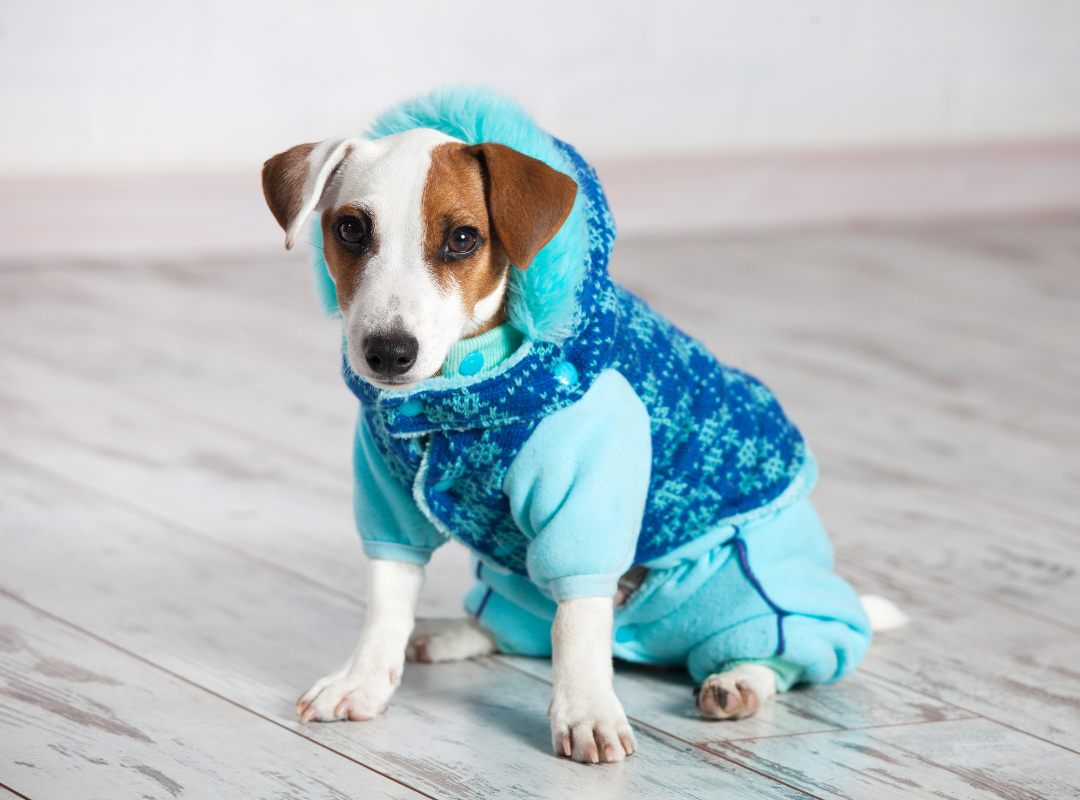
Winter always arrives with its own vibe. Some days feel soft and cozy, and others hit you with that sharp kind of cold that makes you wrap your jacket tighter. For dogs, the season can be exciting but also confusing. One moment they’re jumping around, and the next they’re shivering on the floor tiles.
That’s exactly why dog winter care has become a big deal, especially now when weather changes are way more unpredictable than a few years ago.
As pet parents in 2025, we’re managing busier lives, more indoor time, and shorter but harsher winters. Your dog doesn’t get to say, “Hey, I’m cold,” but they show it. And this blog is basically here to help you read those signs and build a winter routine that actually fits your dog’s lifestyle.
Why Dog Winter Care Needs Extra Attention in Today’s Climate
Anyone who has lived in Indian cities for the last few winters knows the drill well: cold waves can come out of nowhere. One day it’s pleasant, and the next day the wind feels like it’s cutting through your clothes. Dogs feel this even more because their bodies respond quickly to sudden dips in temperature.
This is where dog winter care really starts to matter. Not just sweaters. Not just blankets. It’s a bunch of small but important things:
- Keeping their immune system strong
- Making sure their skin doesn’t dry out
- Managing indoor airflow
- Adjusting meal timing
- Protecting their paws (super underrated in winters)
- Knowing when and how much to bathe
These things together make winter less stressful for your dog.
What Cold Actually Feels Like for Dogs
People assume dogs don’t get cold because they have fur. But a lot of dogs, Indies, Pugs, Beagles, Labradors, even Huskies living in hot regions, still struggle with the Indian winter pattern.
Some signs your dog is cold:
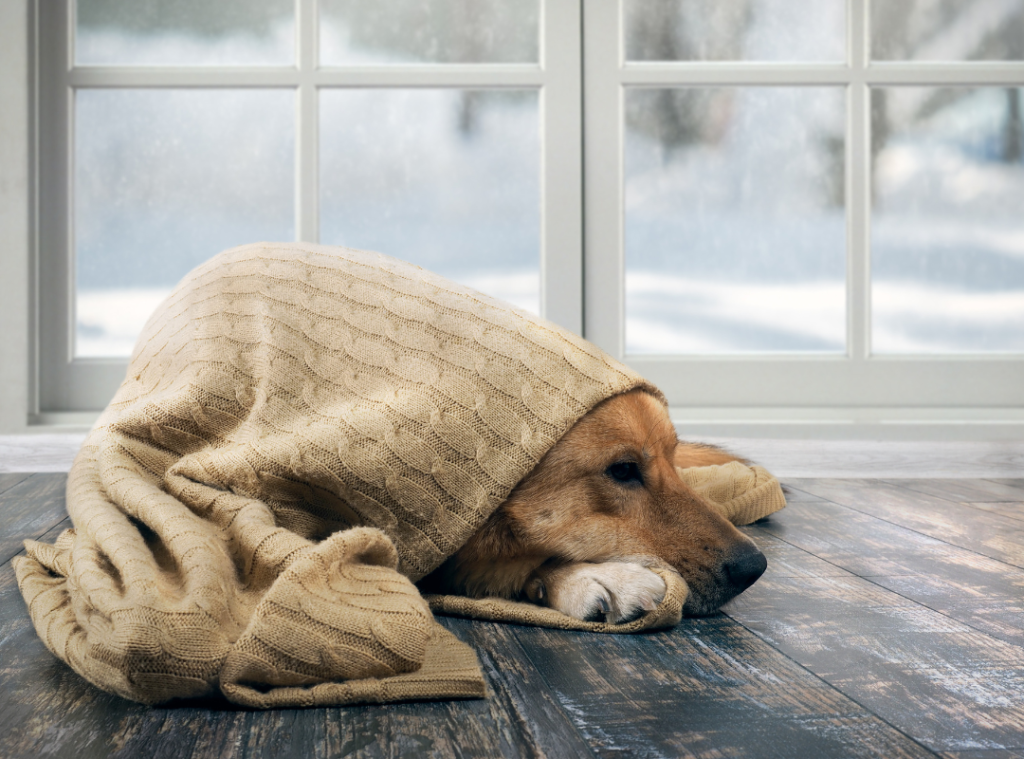
- They curl tightly like a donut
- Suddenly stop sitting on the floor
- Stay close to the kitchen or warm objects
- Their nose looks dry or flaky
- They hesitate to go out for walks
- Early morning sluggishness
If you’ve noticed any of these, it’s time to adjust their winter routine.
how to keep your dog clean in winter
In winter, keep your dog clean with more brushing and fewer baths. Brush 3–4 times a week to remove dirt, loose fur, and prevent mats. Use a dog-safe moisturizing shampoo once every 4–6 weeks and always bathe with lukewarm water, drying thoroughly with a towel and low-heat dryer so your dog doesn’t stay damp and cold.
After walks, wipe paws, legs, and belly with a warm, damp cloth to remove mud, salt, and germs. Keep fur trimmed (not shaved), especially around paws and the bum area, for hygiene while still keeping them warm. Wash your dog’s bed, blankets, and winter clothes regularly so they stay fresh longer.
A clean, warm sleeping area, a healthy diet, and lots of gentle grooming time will keep your dog comfy, clean, and snuggly all winter.
Also Check: Complete Dog Nutrition & Safety Guide
Getting Bathing a Dog in Winter Right
Most pet parents get nervous about bathing a dog in winter, and it’s fair. A wrong bath on a cold day can lead to sneezing, stiffness, or dry skin issues.
Here’s the approach that works well in Indian winters:
A Winter-Safe Bath Routine
- Use lukewarm water, not hot enough to dry the skin
- Keep the bathroom warm by closing windows
- Choose moisturizing shampoos
- Dry them thoroughly with a microfiber towel
- Use a dryer on low heat if needed
- Finish with a coat-conditioning spray
How Often Should You Bathe?
This is where many go wrong. During peak winter:
- Healthy dogs: once every 20–30 days
- Sensitive-skin dogs: once in 10–15 days
- Very old/sick dogs: minimal baths, focus on hygiene wipe-downs
Between baths, keep your hygiene game strong using dry shampoos or mild no-rinse cleansers. This keeps bathing a dog in winter manageable without risking health issues.
Also Check: can dogs drink coconut water
The Real Secret of Winter Grooming: How to Keep Dog’s Paws Clean
If there’s one thing that needs more hype in India, it’s understanding how to keep dog’s paws clean. Fog mixes with dust and pollutants, settling on surfaces your dog walks on, both indoors and outdoors.
This is why paw care isn’t optional anymore.
A Simple Paw Cleaning Routine
- Keep a small bowl of lukewarm water near your entrance
- After walks, dip each paw lightly and wipe with a soft cloth
- Pat dry (very important)
- Apply paw balm at night
- Trim extra fur around the paw pads
Dog shoes aren’t a “fashion accessory” anymore, they actually help. They protect from:
- Cold tiles
- Sharp winter dryness
- Dust buildup
- Irritants stuck in fog residue
In short, learning how to keep dog’s paws clean isn’t just about hygiene. It helps prevent paw cracks, fungal issues, and excessive licking.
Food, Warmth & Immunity, The Trio That Keeps Dogs Safe
Keeping your dog warm doesn’t stop at clothes.
A Slightly Heavier Winter Diet Helps
Because dogs burn more energy in winter, adding the following can help:
- Homemade warm broth
- Proteins like chicken or cottage cheese
- Omega-rich items for joint and coat health
- Winter veggies like carrots or pumpkin
Make Their Sleeping Zone Warmer
A few small adjustments work wonders:
- Raise their bed slightly
- Use thicker bedding
- Keep the sleeping spot away from drafts
- Layer the bedding instead of using one thick sheet
Maintain Moisture Indoors
Winter air gets extremely dry, which affects your dog’s skin and nose. A simple humidifier balances the moisture level indoors without making the room hot.
Also Check: Dangerous foods to avoid for dogs
Walks in Winter: What’s Changed for 2025
Morning walks used to be refreshing, but now fog combined with pollution is a real problem. Cloudy winter air affects your dog’s respiratory comfort more than people realize.
Try this instead:
- Shift walks to late mornings or afternoons
- Keep night walks shorter
- Avoid going out on heavy-fog days
- Use reflective collars for safety
- Carry warm water for long outings
This small shift improves their stamina and reduces breathing trouble.
Watch Out for These Winter Warning Signs
Call your vet if your dog shows:
- Persistent shivering
- Cracked or bleeding paws
- Continuous cough
- Sudden drop in activity
- Dandruff-like flakes
- Extreme clinginess or discomfort during nights
Winter issues escalate quickly, so early action keeps your dog healthy.
Winter Doesn’t Have to Be Hard With the Right Dog Winter Care
Most of winter care is about reading your dog’s signals and adjusting your routine. When dog winter care becomes a natural part of your day, warm meals, mindful grooming, clean paws, and the right walk timings, winter turns into a cozy and safe season for them.
Keep following the right way of bathing a dog in winter, stay consistent with how to keep dog’s paws clean, and your dog will enjoy winter as much as you do… maybe even more.
FAQ's
Dogs can’t say they’re cold, but they show signs like shivering, curling tightly while sleeping, avoiding the floor, sticking close to warm spots, hesitating during walks, dry noses, and sluggish mornings. If you notice these, it’s time to adjust their winter care routine.
Bathing a dog in winter should be done carefully:
Healthy dogs: once every 20–30 days
Sensitive skin dogs: once every 10–15 days
Senior or sick dogs: Avoid full baths; use wipes or no-rinse cleansers
Always use lukewarm water, moisturizing shampoos, and dry thoroughly.
To protect paws from dry air, fog residue, dust, and cold floors:
Rinse paws with lukewarm water after every walk
Pat dry completely
Apply paw balm nightly
Trim excess fur around paw pads
Use dog shoes on very cold days
This prevents cracks, infections, and excessive licking.
Winter diet should be slightly richer. Include:
Warm chicken or vegetable broths
Protein sources like chicken, eggs, paneer
Omega-rich foods for skin and joint health
Winter veggies like pumpkin and carrots
This helps maintain warmth, immunity, and energy levels.
Avoid early mornings and late nights due to fog and cold air.
Prefer late mornings or early afternoons
Keep night walks short
Avoid heavy-fog days
Use reflective collars for visibility
This keeps your dog safe and reduces respiratory strain.
Most Popular Posts

Best Pet Shops in Hyderabad: Your Ultimate Guide for 2026
Do Dogs Need Winter Clothes? A Complete Guide for Pet Parents

Best Small Pets for Apartments: Quiet, Low-Maintenance & Space-Friendly Options

Why Do Dogs Eat Their Vomit: Normal or Worry? | Pawgram
Why Is My Dog’s Eye Red? Causes & Treatment | Pawgram

Best Aquarium Fish for Beginners Guide | Easy & Low-Maintenance Picks

- Pawgram is a loving space for pet parents. We share stories, tips, and care guides that help every paw live happier and healthier.
Contact US at bow@pawgram.pet
Copyright © 2025 Pawgram | All rights reserved.