

Best Pet Shops in Hyderabad: Your Ultimate Guide for 2026
Why Do Dogs Eat Their Vomit: Normal or Worry? | Pawgram
Pawgram.pet
January 29, 2026
It’s one of those moments every pet parent faces at least once…
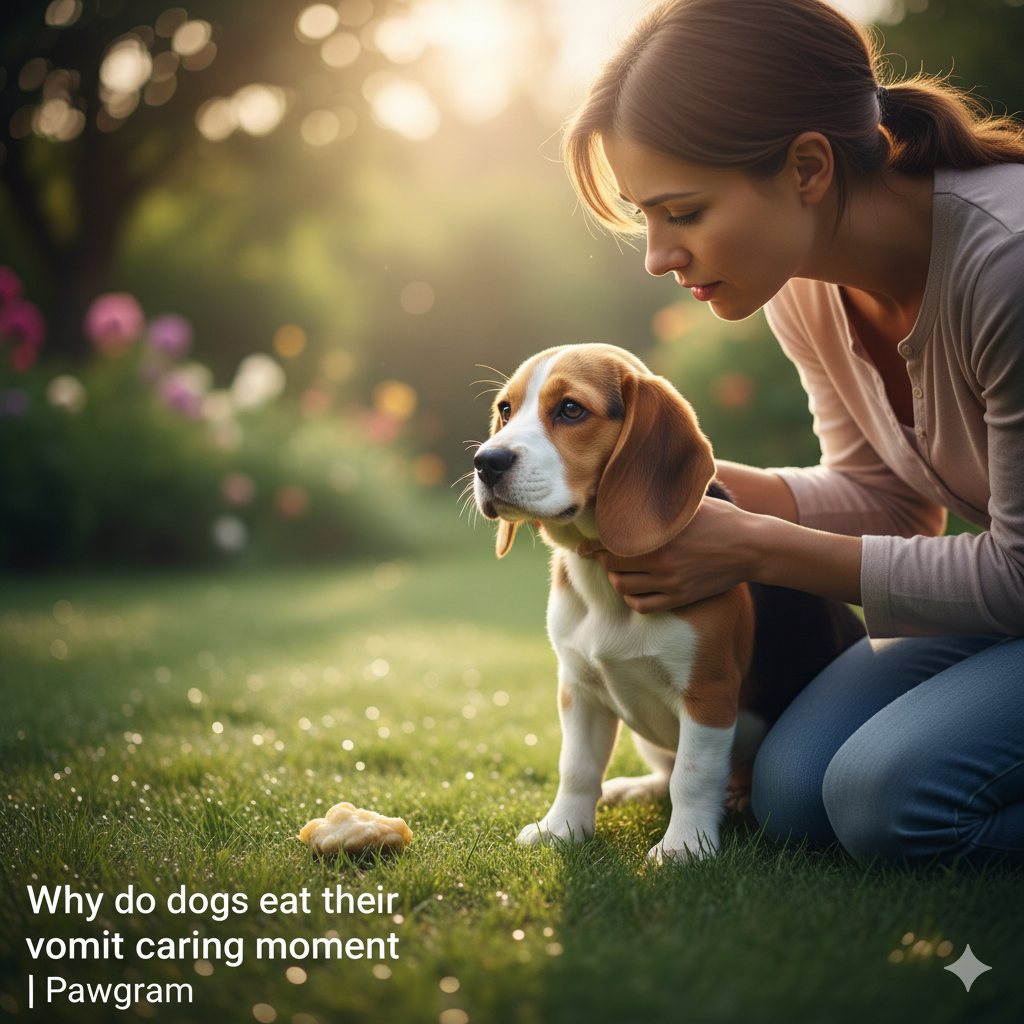
You hear a strange sound, turn around, and see your dog vomit—and before you can react, they lick it right back up.
Your heart drops.
“Is my dog okay?”
“Why did they eat their own vomit?”
“Should I stop them?”
If you’ve ever felt this mix of worry and confusion, you’re not alone. Many Pawgram parents share the same concern, and today, we’re breaking it down with warmth, science, and simple tips that make you feel more confident caring for your furry family member.
Why Do Dogs Eat Their Vomit? Instinct Explained
Yes, dogs eating their vomit is more common than you think—and in many cases, it’s normal.
1. It’s an Evolutionary Instinct
In the wild, mother dogs regurgitate food for their puppies. Puppies learn that “vomit = food.”
This behavior sometimes stays with them into adulthood.
2. Cleaning Behavior
Dogs sometimes re-eat vomit because:
They don’t want to “waste food”
They want to clean their space
They try to hide scent from predators (wild instinct)
3. It Often Happens When They Vomit Quickly
If a dog vomits right after eating, the food may still look and smell the same—so they eat it again.
Is It Normal for Dogs to Eat Vomit? When It’s Okay vs Not Okay
Occasional vomit-eating after a quick tummy upset, like eating too fast, is normal and harmless—dogs act fine right after. But frequent episodes or in adults signal issues like anxiety or GI woes; puppies do it more from curiosity. Watch if they seem eager or ashamed—instinct vs habit.
Normal Situations
Dog vomits undigested food right after eating
Dog acts normal afterward
No fever, weakness, or pain
Not Normal
Frequent vomiting
Eating vomit → then vomiting again
Dog looks tired, anxious, or dehydrated
Vomit has blood, worms, or strange colors
Puppy vomiting many times
If your dog repeats this behavior daily, it is NOT normal. You need a vet check.
Also Check: How to Keep Your Pup Safe in winter
What Causes Dogs to Vomit? (Vet-Approved List)
Common triggers include scarfing food too quick, indigestion from rich treats, or empty belly bile. Parasites, stress, motion sickness, or gobbling grass for relief add up—heat or toxins worsen it. Food intolerances or non-food snacks like socks spark trouble too.
Dogs vomit for many reasons—some harmless, some not.
Common, Mild Causes
Eating too fast
Indigestion
Grass eating
Car rides (motion sickness)
Empty stomach acidity (yellow bile)
White foam from stomach irritation
More Serious Causes
Food intolerance
Parasites
Dehydration
Toxic foods
Heat
Infection
Blockage (toys, cloth, stones)
If your dog vomits multiple times in a day → call your vet.
Pet-Safe Note: If your pet shows vomiting, fever, or weakness, consult a trusted veterinarian immediately. Pawgram always encourages safe, responsible pet care for long, healthy pet lives.
Dog Vomit Color Guide
Yellow foam means bile from an empty stomach—common overnight, not urgent if rare. White foam signals indigestion or bloat; clear liquid is excess saliva from nausea. Undigested food points to fast eating; brown or green hints at poop/plants—blood or black? Vet now.
| Vomit Type | Likely Cause | Action |
|---|---|---|
| Yellow foam | Empty stomach acid | Feed smaller meals |
| White foam | Indigestion, gastritis | Monitor 24 hrs |
| Undigested food | Ate too fast | Slow feeder bowl |
| Brown/green | Plants/foreign items | Check for blockages |
| Blood | Ulcer/injury | Emergency vet |
What to Do When Your Dog Eats Its Vomit
Stay calm—clean with enzyme spray, offer water sips, and withhold food 6-12 hours (vet okay for pups). Monitor energy; distract from spots with toys. Save a vomit sample photo for vet chat.
Should You Stop Your Dog From Eating Vomit? Expert View
Yes, discourage to avoid re-ingesting toxins or acid damaging teeth—it’s not always harmless. Train with “leave it” command and rewards; block access fast. Harmless once-offs? Let instincts be, but supervise.
Yes, when:
The vomit contains harmful things
Your dog vomits repeatedly
Your dog is a puppy
Your dog is recovering from illness
There is medication in the vomit
How to Stop the Behavior
Distract your dog with a treat
Teach “Leave it”
Clean quickly
Use slow-feeder bowls to prevent vomiting
When Vomiting Is a Sign of a Health Problem
Frequent bouts, blood, lethargy, diarrhea, or no appetite scream trouble—think pancreatitis or kidney issues. Pups vomiting repeatedly? Extra worry for dehydration. Fever or bloat signs like whining belly need rush care.
Red Flags:
3+ times daily
Can’t keep water down
Weak, pale gums
Safe Home Remedies for Dogs That Vomit
Fast 12 hours then bland rice-chicken mix rebuilds tummies gently. Pumpkin puree soothes; probiotics balance guts—vet brands best. Tiny ginger water or coconut water hydrates naturally.
1. 6–12 Hours Food Rest (Adult Dogs)
Do NOT fast puppies.
2. Bland Diet
Boiled chicken
Plain white rice
Pumpkin puree
3. Probiotics
Helps gut balance.
4. Ginger Water (Very mild amounts)
5. Electrolytes (Pet-safe only)
Never human ORS unless your vet approves.
Pet-Safe Note: If signs like vomiting, fever, or weakness persist, consult a trusted veterinarian immediately.
ALSO CHECK
When Vomiting Is a Sign of a Health Problem
Avoid OTC without advice—vet scripts like Cerenia stop nausea safely. No home meds for possibles like poisoning. Educational: Probiotics aid mild cases.
When You Should Not Treat Vomiting at Home
Skip home care for puppy repeats, blood/diarrhea combos, post-poison, or blockages (toys/stones). Bloat (swollen belly, pacing) is life-threatening—vet stat.
How to Prevent Vomiting in Dogs (Daily Care Tips)
Feed 2-3 small meals in slow bowls; skip human scraps. Deworm quarterly, hydrate always, de-stress with walks. Clean yards, manage anxiety—behavior wins.
Do’s & Don’ts:
Do: Consistent schedule.
Don’t: Free-feed fatty foods.
Behavior Explanation: Vomiting then normal? Often stress—calm vibes help.
Dogs aren’t just pets—they’re heartbeats in fur, filling homes with wags and warmth that heal us daily. Understanding why dogs eat their vomit keeps them scampering happily, worry-free. Visit Pawgram daily for expert pet tips, healthy food guides, and loving advice to make your pet’s life happier.
FAQ's
Instinct to reclaim food and hide weakness from "predators"—normal but discourage.
Occasionally yes, from wild habits; frequent? Check health.
Bile from empty tummy—feed more often.
Indigestion or gastritis; rest and bland food.
No. Gently stop them and clean the area.
Blood, repeats, lethargy—vet time.
Pumpkin, rice-chicken; vet first.
Yes, anxiety triggers tummy flips.
Too fast or intolerance—slow bowls help.
Acid reflux, hunger.
Nausea, empty stomach.
Speed eating; smaller meals.
Most Popular Posts

Best Pet Shops in Hyderabad: Your Ultimate Guide for 2026

Do Dogs Need Winter Clothes? A Complete Guide for Pet Parents

Best Small Pets for Apartments: Quiet, Low-Maintenance & Space-Friendly Options
Why Do Dogs Eat Their Vomit: Normal or Worry? | Pawgram
Why Is My Dog’s Eye Red? Causes & Treatment | Pawgram
Best Aquarium Fish for Beginners Guide | Easy & Low-Maintenance Picks

- Pawgram is a loving space for pet parents. We share stories, tips, and care guides that help every paw live happier and healthier.
Contact US at bow@pawgram.pet
Copyright © 2025 Pawgram | All rights reserved.