

Best Pet Shops in Hyderabad: Your Ultimate Guide for 2026
12 Reasons Why Dogs Are the Best Pets | Benefits of Owning a Dog
Pawgram.pet
January 29, 2026

12 Reasons Why Dogs Are the Best Pets — And Why You Should Consider a Dog as Your Companion
Ever wondered why dogs are always called “man’s best friend”?
It’s not just a saying — it’s a truth backed by thousands of years of companionship, science, emotional benefits, and real-life stories from pet parents around the world.
Whether you already have a dog or you’re thinking about bringing one into your life, this guide will show you exactly why dogs make the best pets—not just emotionally, but scientifically too.
Let’s explore the 12 powerful reasons why dogs are truly the best pets you could ever have.
12 Reasons Why Dogs Are the Best Pets
1. Dogs Give Unconditional Love & True Companionship
No matter how your day went, your dog is always waiting with a wagging tail, bright eyes, and endless love.
Dogs don’t judge. They don’t complain. They don’t hold grudges.
They simply love you, as you are.
How dogs give emotional companionship
They sense when you’re sad and stay by your side
They celebrate with you when you’re happy
They make you feel needed and loved
They stay loyal for life
A dog’s love is one of the purest kinds of love you’ll ever experience.
2. Dogs Improve Your Physical & Mental Health
Owning a dog is scientifically proven to make you healthier — mentally, emotionally, and physically.
Health benefits backed by research
Reduces blood pressure
Lowers stress and anxiety
Increases serotonin & dopamine (feel-good chemicals)
Improves heart health
Decreases loneliness
Boosts immunity
Dogs give us routine, joy, and emotional stability — all essential for mental well-being.
3. Dogs Keep You Active — The Best Fitness Partner
If you struggle to stay active, your dog will fix that instantly!
Why dog owners are healthier
Daily walks
Playtime: fetch, running, tug-of-war
Outdoor activities: hiking, park time
Increased step count
Encourages consistent exercise
Studies show dog owners walk 2–3 times more than non-dog owners.
You don’t just walk your dog — your dog walks you into a healthier life.
4. Dogs Help Reduce Stress, Anxiety & Depression
Dogs instantly lift your mood with their innocence, affection, and comfort.
How dogs support mental well-being
Reduce cortisol (stress hormone)
Create a calming presence
Offer comfort during tough days
Encourage positive emotions
Provide emotional security
Great support for anxiety and depression
This is why therapy dogs are used in hospitals, elderly homes, and even colleges.
5. Dogs Help You Socialize & Build a Community
Dogs make you more approachable and social — even if you’re shy or introverted.
How dogs improve your social life
You meet people during walks
You chat with other dog parents
Dog parks = instant friendships
Vet visits, grooming centers, training classes
Reduces feelings of isolation
Encourages communication and bonding
Dogs create communities, friendships, and real human connections.
6. Dogs Provide Safety & Protection at Home
Dogs have natural protective instincts — whether they’re large breeds or tiny pups.
How dogs help keep you safe
Bark at unfamiliar sounds
Protect home and family
Detect danger quicker than humans
Deter intruders
Provide peace of mind
Many breeds are natural guards
Even small breeds are excellent alert dogs!
A home with a dog always feels safer.
7. Dogs Teach Responsibility — Perfect for Kids & Families
Dogs help children develop essential life skills.
Life lessons dogs teach
Routine (feeding, walking, grooming)
Empathy and kindness
Compassion and patience
Accountability
Time management
Respect for other living beings
Children who grow up with dogs often become more confident, caring, and emotionally intelligent.
8. Dogs Boost Emotional Resilience & Happiness
Dogs bring joy, encouragement, and emotional strength into your life.
Benefits for emotional resilience
Help you cope with bad days
Increase happiness and laughter
Improve motivation
Offer comfort during grief or loneliness
Make home feel “complete”
A dog’s presence fills your life with positivity.
9. Dogs Help Children Learn, Grow & Communicate Better
Research shows dogs play a positive role in a child’s development.
How dogs support child growth
Strengthen immunity
Lower risk of allergies
Improve emotional stability
Help kids regulate emotions
Boost confidence
Reduce social anxiety
Dogs are wonderful companions for growing minds.
10. Dogs Are Amazing Companions for Seniors & Adults Living Alone
For older adults or those living alone, dogs offer comfort, purpose, and a sense of routine.
Benefits for seniors
Reduce loneliness
Encourage daily walks
Provide love and comfort
Improve mobility and balance
Support cognitive health
Add structure to daily life
Dogs give seniors a reason to smile every day.
11. Dogs Understand Human Emotions Better Than We Think
Dogs can read facial expressions, body language, and even changes in your tone.
How dogs understand emotions
Know when you’re sad or quiet
Comfort you when you cry
Become playful when you’re happy
Respond to stress or fear
Adjust behavior according to your mood
This emotional intelligence makes dogs incredible therapy partners.
12. Dogs Bring Fun, Adventure & Meaning to Everyday Life
Life becomes more exciting with a dog.
Dogs bring joy through
Adventures: hiking, beaches, road trips
Play sessions at home
Daily routines and games
Cute behaviors and funny habits
Special moments you’ll remember forever
Dogs make life sweeter, happier, and more meaningful.
Responsibilities of Dog Ownership
Dogs bring joy — but they also require love, time, and commitment.
Before getting a dog, consider:
Do you have time for daily walks?
Can you afford vet care, food, and grooming?
Are you ready for training and behavior management?
Can you give long-term love and stability?
Are you prepared for messes and accidents?
Being a dog parent is a beautiful responsibility — not a temporary hobby.
Tips for First-Time Dog Owners
If you’re thinking of welcoming a dog home, here are essential tips:
Choose a breed that fits your lifestyle
Puppy-proof your home
Learn basic commands (sit, stay, recall)
Schedule regular vet checkups
Offer plenty of playtime & mental stimulation
Use positive reinforcement — NEVER harsh punishment
Maintain a consistent routine
Your dog wants consistency and love more than anything else.
Pawgram Pet Parent Note
Dogs aren’t just pets — they become family.
They give love, joy, protection, health benefits, and unforgettable memories.
In return, all they ask for is your time, care, and affection.
If you’re planning to adopt a dog, do it responsibly and wholeheartedly.
You’re not just getting a pet — you’re gaining a loyal companion who will love you for life.
Also Check Most Loved on Pawgram Blogs
FAQ's
Because they offer unconditional love, companionship, protection, emotional support, and improve your physical and mental health.
Yes! Many breeds are beginner-friendly and easy to train, making them great first-time pets.
Absolutely — dogs reduce stress hormones and increase feel-good chemicals like serotonin and oxytocin.
Yes, dogs help children learn empathy, responsibility, and emotional stability.
Better heart health, reduced blood pressure, improved mood, increased physical activity, and lower stress levels.
Yes — dogs offer companionship, encourage movement, and reduce loneliness.
Most Popular Posts

Best Pet Shops in Hyderabad: Your Ultimate Guide for 2026

Do Dogs Need Winter Clothes? A Complete Guide for Pet Parents
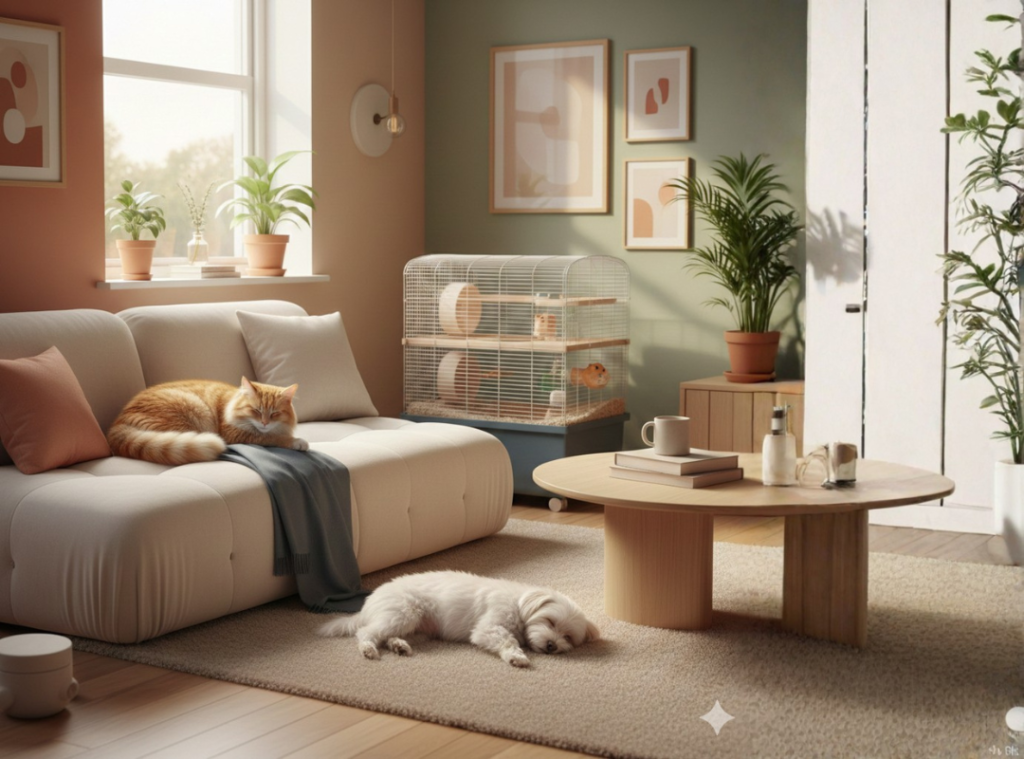
Best Small Pets for Apartments: Quiet, Low-Maintenance & Space-Friendly Options

Why Do Dogs Eat Their Vomit: Normal or Worry? | Pawgram

Why Is My Dog’s Eye Red? Causes & Treatment | Pawgram

Best Aquarium Fish for Beginners Guide | Easy & Low-Maintenance Picks

- Pawgram is a loving space for pet parents. We share stories, tips, and care guides that help every paw live happier and healthier.
Contact US at bow@pawgram.pet
Copyright © 2025 Pawgram | All rights reserved.