Best Reptile Pets: Choosing the best reptile pets for beginners can feel overwhelming. You want a friendly, easy-to-care-for companion that won’t demand too much time or expertise. Many first-timers worry about whether reptiles are safe pets, how much maintenance they require, and if they can fit into a busy lifestyle. If you’re navigating these questions, you’re in the right place!
What Makes a Reptile Beginner-Friendly?
Not all reptiles are created equal when it comes to ease of care. For a reptile pet to be beginner-friendly, it should:
Tolerate gentle handling without stress or aggression
Have simple dietary needs that are easy to meet
Thrive in a manageable habitat (tank size, temperature, humidity)
Resist common illnesses with basic care
Be readily available through pet stores or breeders
Beginner reptiles tend to be hardy, adaptable, and less demanding, making them perfect adopters for someone just starting out.
What Are the Best Reptile Pets for Beginners?
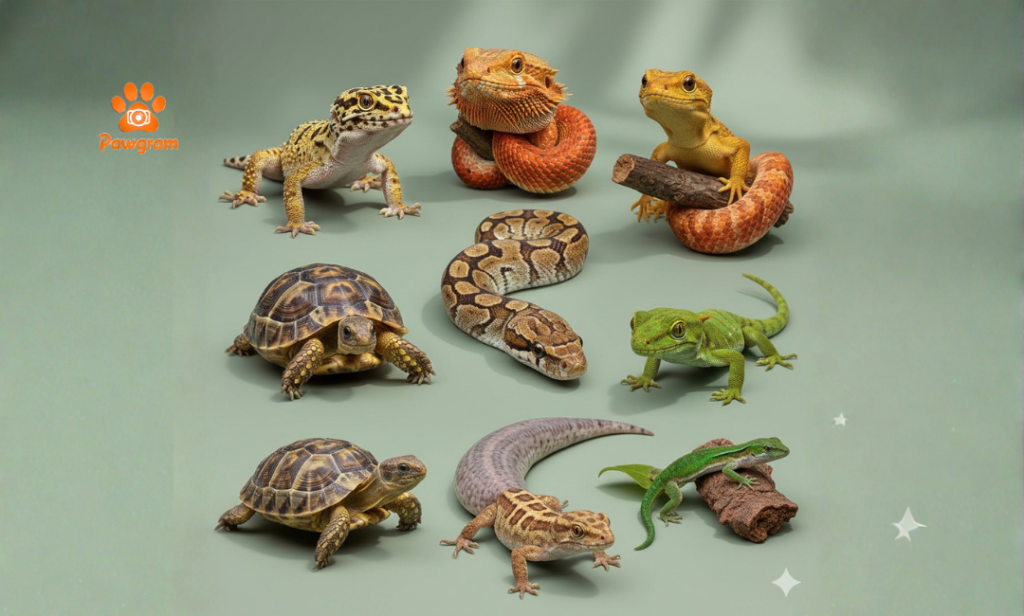
Here are 10 reptile pets that stand out for first-time owners, along with their pros, cons, and care essentials:
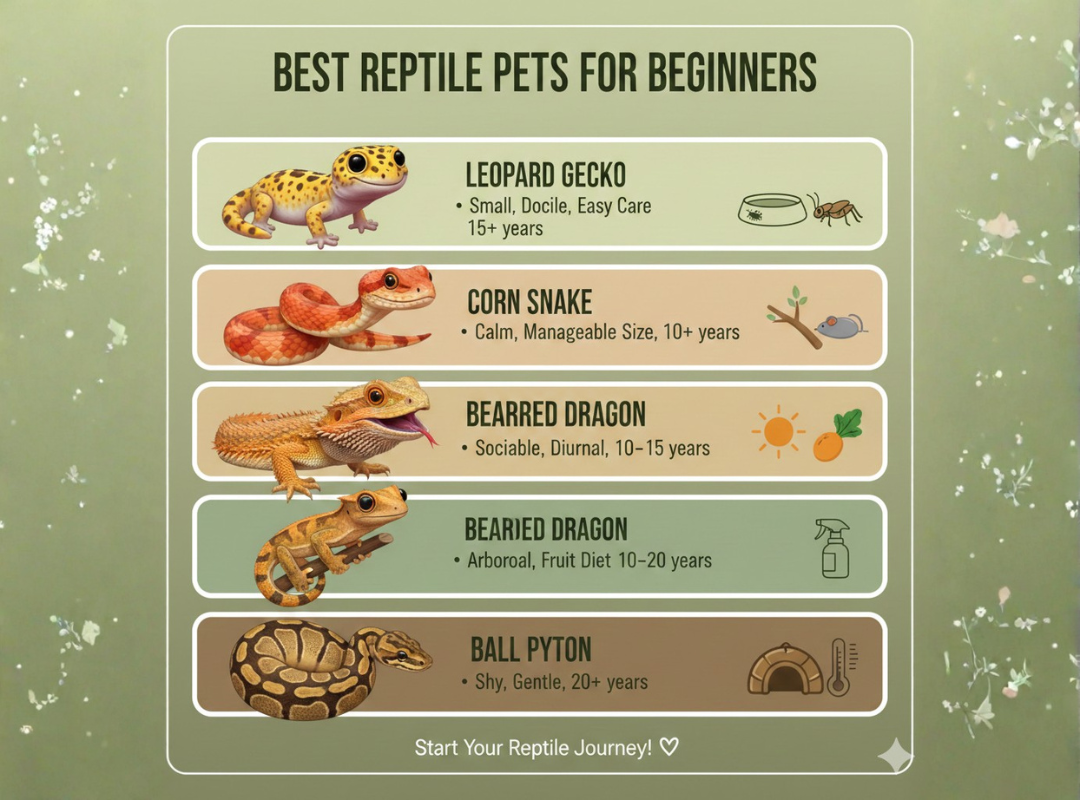
1. Leopard Gecko — The Easiest Reptile for Beginners
Why choose it?
Leopard geckos are widely considered one of the best reptile pets for beginners. They’re small, calm, rarely bite, and don’t require UVB lighting.
Pros
Super friendly
Easy diet (insects)
No UVB required
Stays small
Great for kids
Cons
Basic Care
Temperature: 75–88°F
Humidity: 30–40%
Lifespan: 15–20 years
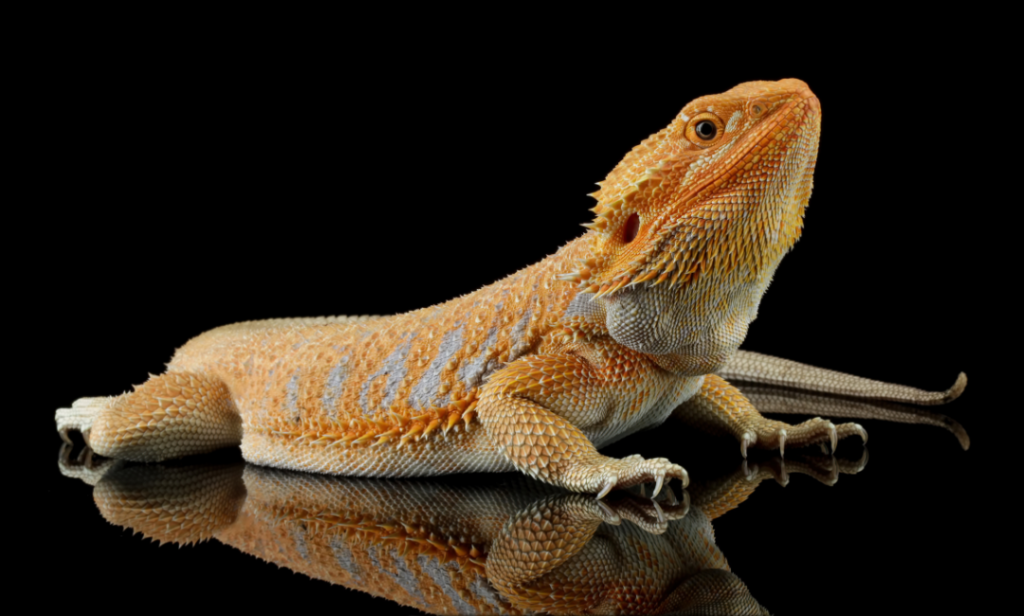
2. Bearded Dragon — Best for Handling & Kids
Beardies are known as the friendliest reptile pets. They love sitting on your shoulder and enjoy human interaction.
Pros
Loves being handled
Active during the day
Great personality
Cons
Larger enclosure needed
Needs UVB lighting
Basic Care
Temperature: 85–100°F
Diet: Veggies + insects
Lifespan: 10–15 years
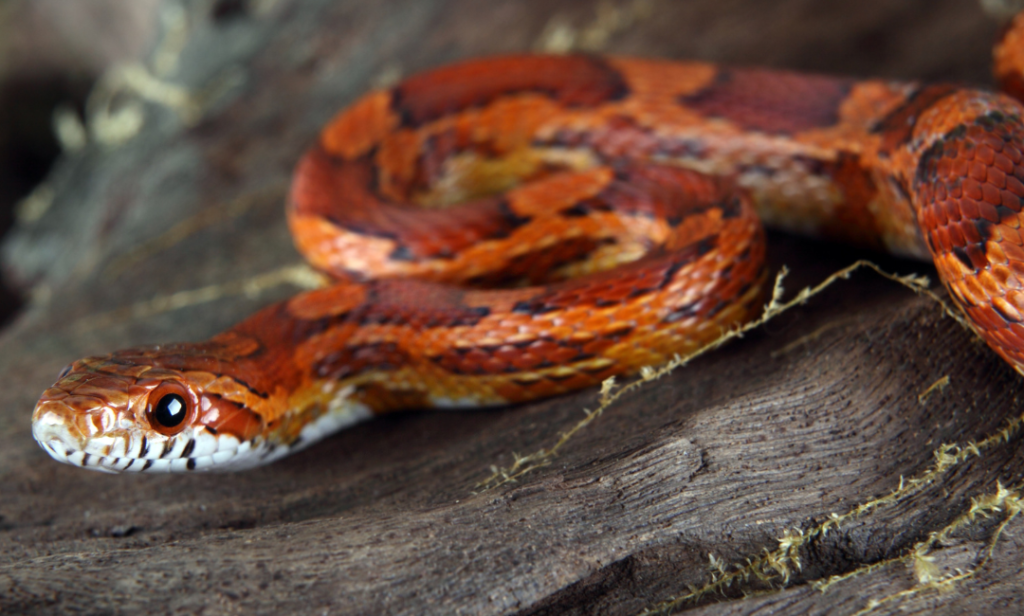
3. Corn Snake — Best Beginner Snake
Corn snakes are calm, beautiful, and low-maintenance.
Pros
Docile and rarely bite
Easy feeding
Easy to handle
Cons
Basic Care
Temperature: 75–85°F
Diet: Frozen rodents
Lifespan: 15–20 years
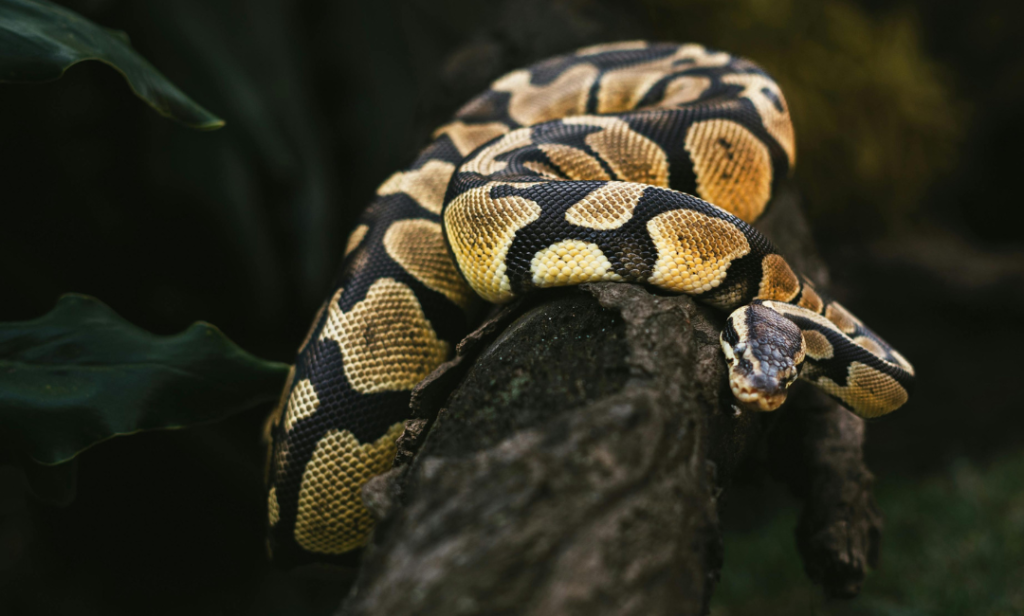
4. Ball Python — Best Reptile for Handling & Calmness
Ball pythons love curling in your hand and are famously calm.
Pros
Extremely gentle
Great for beginners
Very low aggression
Cons
Basic Care
Temperature: 78–92°F
Diet: Frozen rodents
Lifespan: 20–30 years
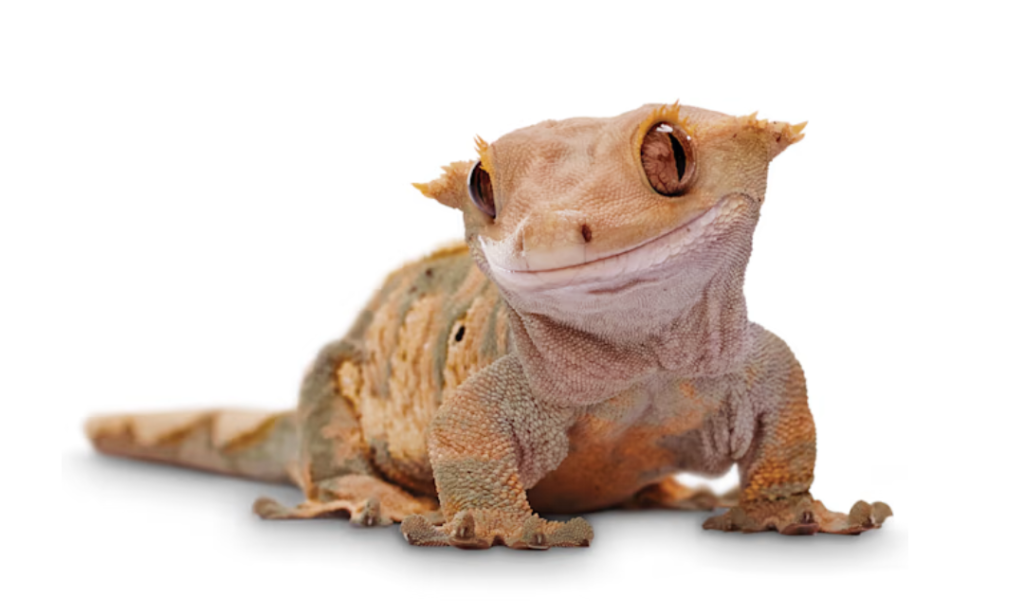
5. Crested Gecko — Best Low-Maintenance Lizard
If you want a reptile that eats fruit smoothies, this is it!
Pros
Cons
Basic Care
Humidity: 50–70%
Temperature: 70–78°F
Lifespan: 10–15 years
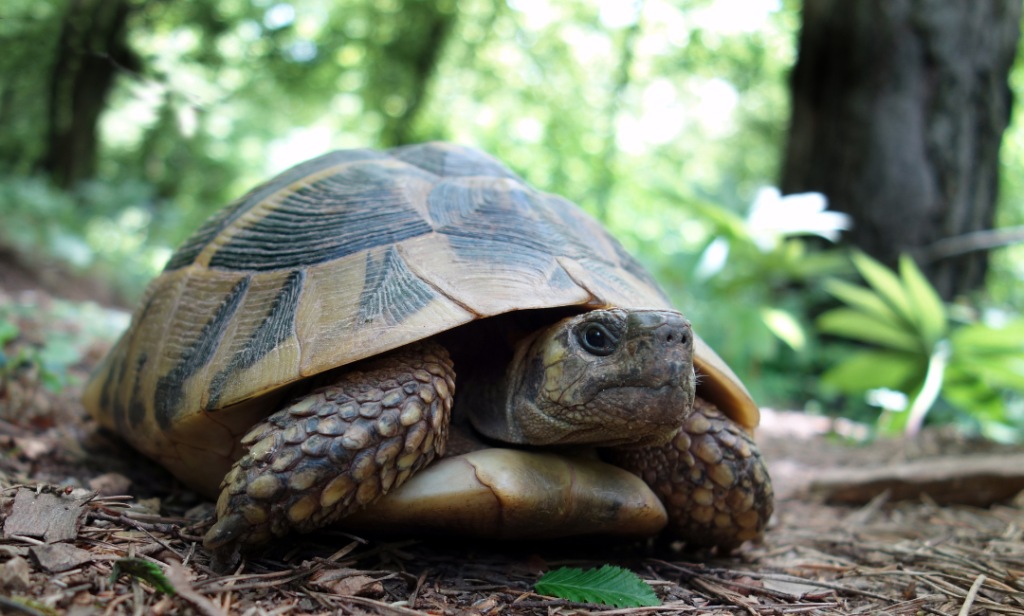
6. Russian Tortoise — Best Beginner Tortoise
Hardy, friendly, and fun to watch.
Pros
Great personality
Eats simple salads
Very hardy
Cons
Basic Care
Temperature: 70–90°F
Diet: Greens & hay
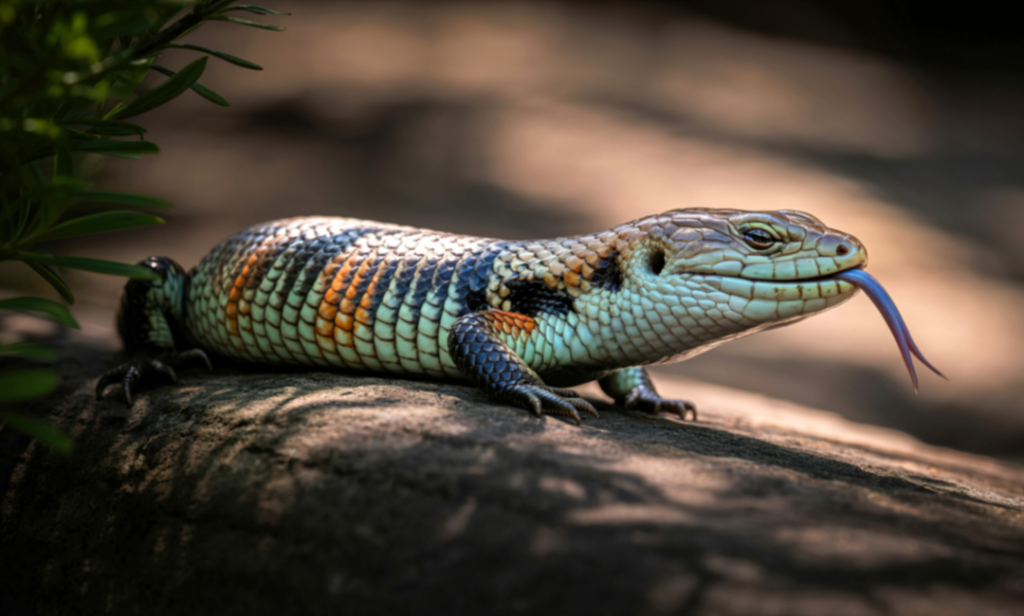
7. Blue-Tongued Skink — Friendly & Calm
One of the best lizard pets with dog-like behavior.
Pros
Excellent for handling
Very intelligent
Easy diet
Cons
Basic Care
Temperature: 80–95°F
Diet: Veggies + protein
Lifespan: 15–20 years
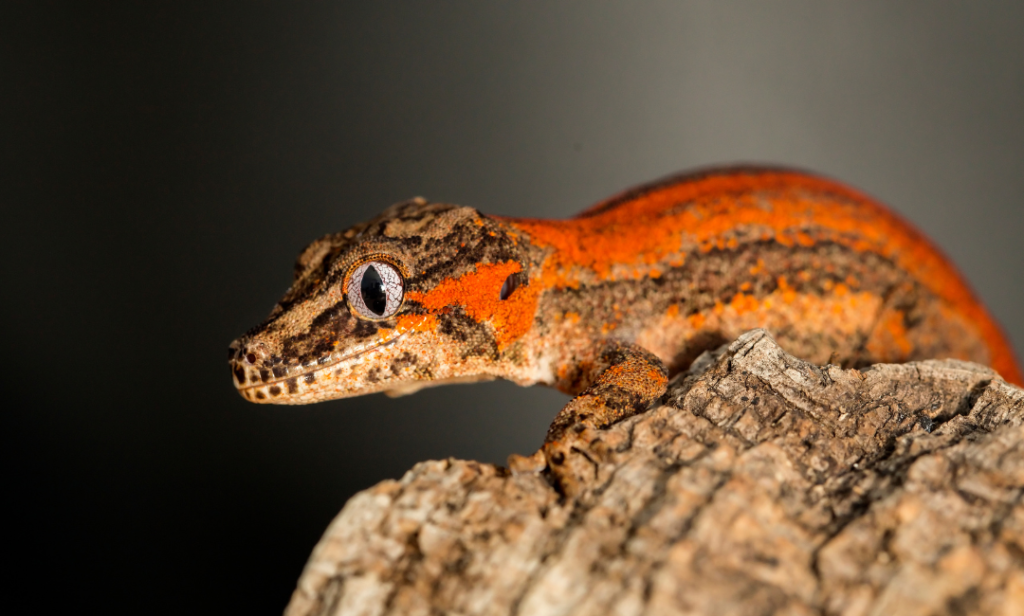
8. Gargoyle Gecko — Easy, Cute & Hardy
Very similar to crested geckos.
Pros
Minimal feeding
Hardy
Low maintenance
Cons
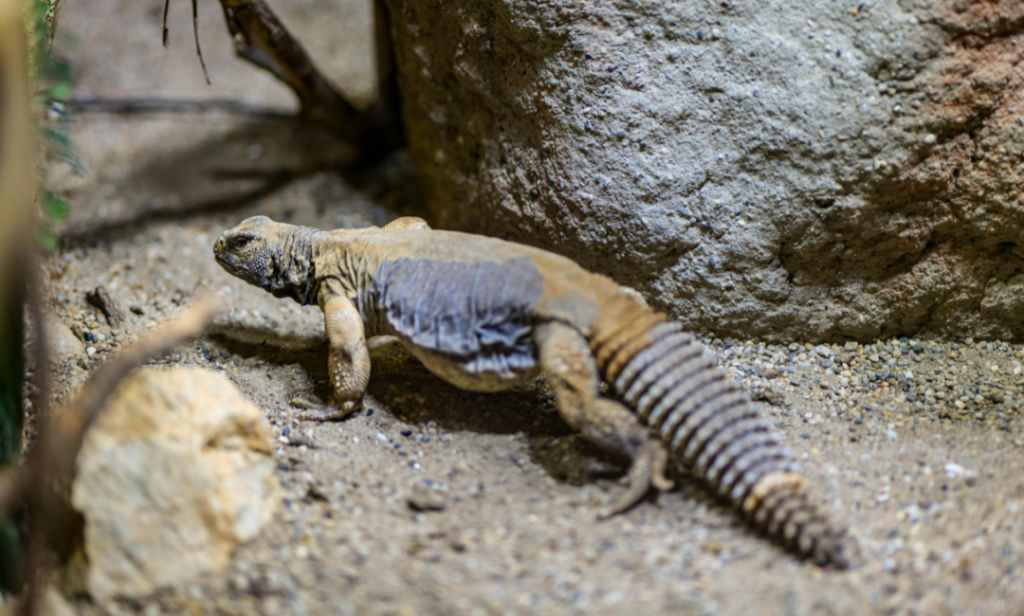
9. Uromastyx — Best Low-Cost Reptile for Beginners
These desert lizards are easy, calm, and vegetarian.
Pros
Eats greens only
Super friendly
No insects needed
Cons
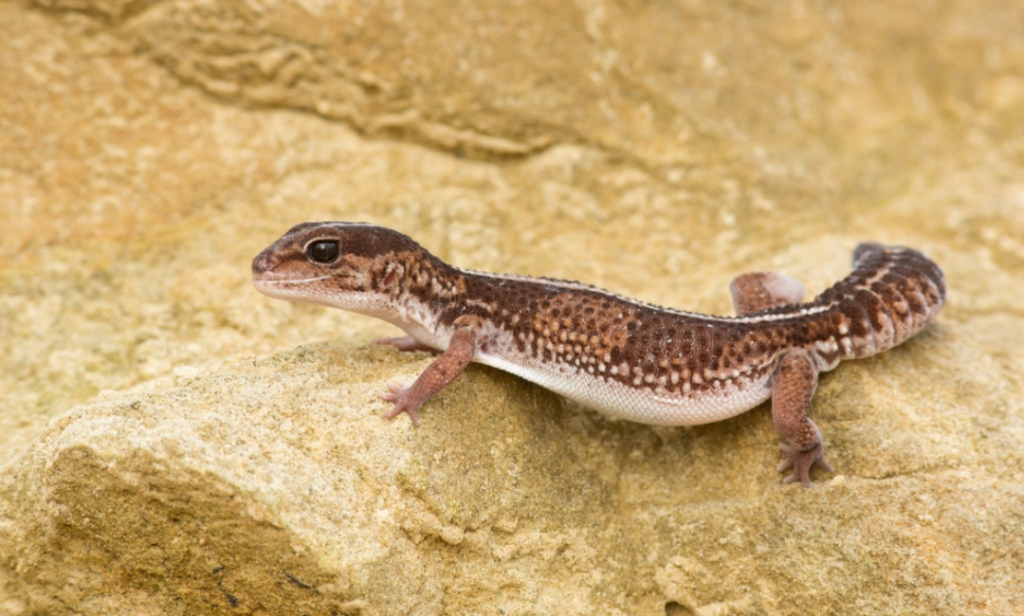
10. African Fat-Tailed Gecko — Gentle & Easy
Great for people who want a gecko but with a calmer temperament.
Pros
Gentle
Simple care
Low humidity
Cons
Reptile Pets Not Recommended for Beginners
Avoid these due to complex needs:
1. Chameleons
Very sensitive
Humidity must be perfect
2. Green Iguanas
Grow huge
Can become aggressive
3. Monitor Lizards (Savannah, Nile, etc.)
4. Tokay Geckos
How Do You Safely Handle Beginner Reptiles?
Wash your hands before and after handling to prevent infections
Always support the reptile’s entire body to keep it comfortable
Avoid sudden movements or loud noises that can startle them
Limit handling sessions initially to reduce stress
Never pick up a reptile by the tail
Keep reptiles away from small children or pets without supervision
Beginner Care Checklist for New Reptile Owners
Research species-specific temperature, humidity, and lighting needs
Invest in a suitable enclosure with secure ventilation
Provide a balanced diet and supplements as recommended
Maintain regular cleanings of the habitat
Monitor your reptile daily for changes in behavior or appetite
Set up a vet consult before and during care
Which Beginner Reptile Should You Choose
Choosing your first reptile is exciting — and the right species makes the experience even better.
Whether you want a gentle snake, a friendly lizard, or a low-maintenance gecko, there’s a perfect match waiting for you.
- If you want the easiest care → Leopard Gecko
- If you want a friendly & social reptile → Bearded Dragon
- If you want a beginner snake → Corn Snake
- If you want zero insects → Crested Gecko or Uromastyx
No matter which reptile you choose, start slow, learn their behavior, and enjoy the journey. Reptiles make wonderful, peaceful, and rewarding pets — especially for beginners.
Frequently Asked Questions About Best Reptile Pets
Most Popular Posts