The Real Truth About Vegetables Dogs Can Safely Eat
Every dog parent knows this—dogs can be very picky and have big feelings about food! As more people focus on keeping their pets healthy in 2025, many dog owners are starting to add fresh vegetables to their dog’s meals.
But not all veggies are safe for dogs, so it’s important to know which ones are good and which ones to avoid.
Let’s break down the real truth, no fluff, no outdated advice, just clear, engaging, 2025-accurate insights for every dog mom and dad who wants to feed smarter.
Why Vegetables Matter for Today’s Dogs
Dogs today aren’t just pets, they’re family, adventure buddies, emotional support systems, and camera-ready influencers. With pet nutrition becoming more transparent and personalised, vegetables can be an amazing source of natural fiber, antioxidants, hydration, and vitamins.
- Better digestion & reduced bloating
- Shinier coat and healthier skin
- Stable energy levels
- Weight management
- Lower risk of lifestyle-related issues
BUT—but but but—not every veggie is safe. So let’s talk about the ones you asked:
- Can dogs eat lima beans?
- Can dogs eat okra?
- Can dogs have asparagus?
And several others your dog may already be sniffing in the kitchen.
Can Dogs Eat Lima Beans?
Let’s start with the big one: Yes, dogs can eat lima beans , but only when cooked and served plain.
Lima beans have become surprisingly popular among pet parents in 2025 because they’re:
- High in fiber
- Rich in plant protein
- A source of iron and magnesium
- Helpful for digestion
But here’s the real truth pet parents often miss:
Raw lima beans can be unsafe. Always cook them thoroughly and feed in small portions.
How to safely serve lima beans
- Steam or boil, never season
- Mash them for smaller dogs
- Add 1–2 tablespoons into meals for medium breeds
- Mix with other veggies for a balanced bowl
Avoid if your dog has
- Sensitive digestion
- Pancreatitis
- Protein-restricted diet
For reference, you can always check safe bean types on the American Kennel Club’s guide akc.
Can Dogs Eat Okra? A Slimy Superfood or a No-Go?
If your dog loves nibbling on crunchy things, okra is a surprisingly healthy choice. Yes, dogs can eat okra, and many vets now consider it a functional vegetable thanks to:
- Vitamin C & immune support
- Magnesium & nerve health
- Antioxidants
- Fiber that can ease constipation
But… the sliminess? Some dogs love it. Some act like you’ve personally betrayed them.
Safe ways to give your dog okra
- Lightly steamed
- Chopped into small bits
- Mixed with kibble or wet food
Avoid fried okra (oil can cause stomach upsets).
Avoid pickled okra (too much sodium for dogs).
Can Dogs Have Asparagus? – Yes, But With a Twist
Asparagus is one of those foods dogs can technically have, but you need to serve it correctly. So yes, dogs can have asparagus, but only when cooked and softened. Raw asparagus is tough and stringy, making it a choking hazard.
Why asparagus is good for dogs:
- Contains vitamin K for bone health
- Has folate for cell repair
- Rich in fiber
- Supports detoxification
Safe serving tips
- Steam until soft
- Cut small (especially for small breeds)
- Keep portions very small to avoid gas
A lot of pet parents also mix it with carrots or green beans for a colorful dog-friendly bowl.
Other Vegetables Dogs Can Safely Eat
Today’s pet diets have become more personalized thanks to apps, trackers, and community sharing. Based on current wellness trends, here are veggies that are widely accepted as safe:
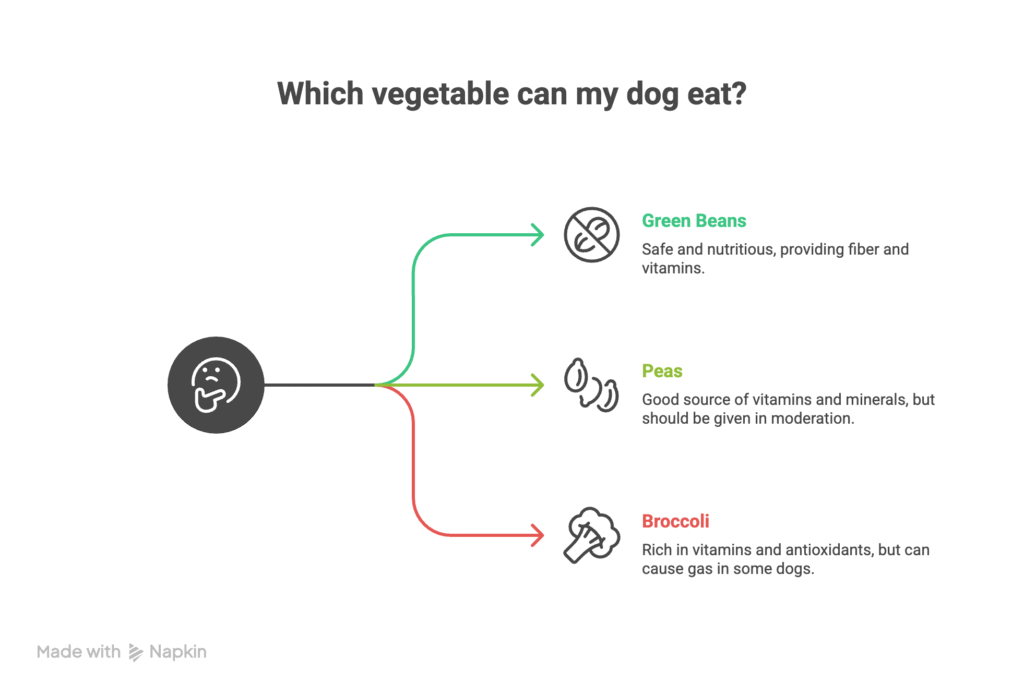
Dog-Safe Veggies (When Cooked or Raw):
- Carrots
- Pumpkin (excellent for digestion)
- Peas
- Green beans
- Sweet potatoes
- Zucchini
- Cucumbers
- Spinach (in moderation)
Veggies to Avoid
- Onions
- Garlic
- Leeks
- Mushrooms (unless vet-approved)
- Unripe tomatoes
When in doubt, follow this simple 2025 rule for dog nutrition:
If it needs heavy seasoning to taste good for humans, it’s probably not ideal for dogs.
How to Build a Balanced “Dog Veggie Bowl”
To create a safe, nutritious bowl your pup will wag for:
Base (50%)
- Cooked rice, quinoa, or kibble
Veggie Mix (30%)
- A combination of:
- Cooked carrots
- Green beans
- A spoon of lima beans
- A few slices of okra
- Soft asparagus
Protein (20%)
Extras (Optional):
- A little olive oil
- A sprinkle of chia
- A teaspoon of pumpkin puree
Remember: veggies should only complement a dog’s main diet, not replace complete nutrition unless advised by a professional.
Paw-Parent Tips for 2025
Today’s pet parents know a lot more about what their dogs eat. Here are a few smart and easy tips to follow:
-
Try new vegetables one at a time, not all at once
-
Watch your dog for signs like stomach gas, loose poop, or itching
-
Give veggies plain—no salt, butter, spices, or sauces
-
Mix different vegetables over time so your dog gets a balance
-
Always give the right amount based on your dog’s size and weight
Always check portion size based on your dog’s weight
Can Dogs Eat Lima Beans and Other Veggies?
Yes! Dogs can safely eat lima beans, okra, and asparagus when they are cooked well and given in small amounts. These vegetables are becoming popular choices because they are healthy and easy to digest when prepared the right way.
In 2025, many pet parents are choosing these veggies because they help with digestion, provide vitamins, and support overall health.
Just remember—your dog’s meals should be safe and planned, not random. Start with small portions and watch how your dog feels and acts after eating.
Vegetables can make meals fun, colorful, and nutritionally rich, and your furry friend will thank you with a wag, a lick, and probably a tail-thumping approval dance.
FAQ's
Most Popular Posts