

Best Pet Shops in Hyderabad: Your Ultimate Guide for 2026
Bird Winter Care: Keep Parrots, Budgies & Cockatiels Warm
Pawgram.pet
December 10, 2025
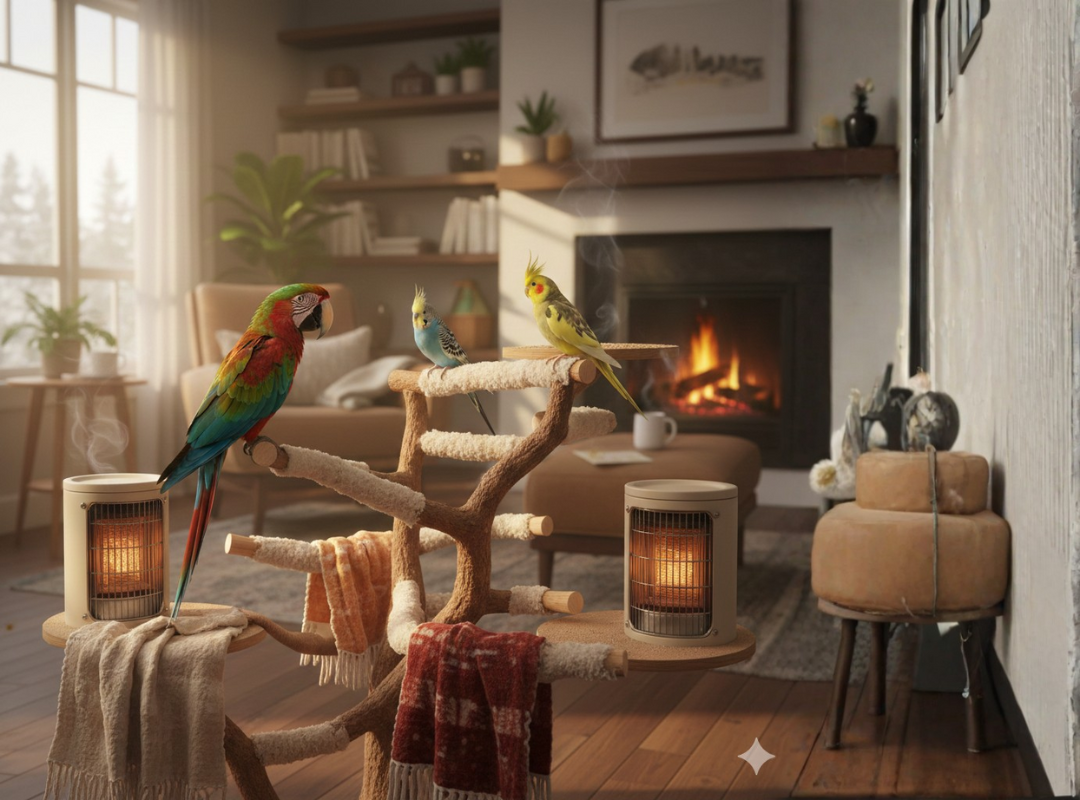
Bird Winter Care: How to Keep Parrots, Budgies, and Cockatiels Warm
On a chilly winter evening, you notice your colorful parrot fluffing its feathers, eyes half-closed against the cold draft sneaking through the window. Your budgie huddles quietly, the usual chirps softer—a worried pet parent moment. The waggle of feathers and hesitant steps remind you how much comfort these little companions bring. At Pawgram, we understand the tender care your birds need in cold weather and offer gentle expert tips to keep them cozy, healthy, and happy through winter’s chill.
Every bird parent knows this moment:
Your budgie suddenly looks puffed up…
Your cockatiel sits quietly in one corner…
Your parrot shivers a little and tucks its head in…
And your heart whispers:
“Is my bird feeling cold? Am I doing enough?”
If you’re reading this with worry or love in your chest — you’re already a wonderful pet parent.
Birds may be small, but their hearts are gentle, emotional, and deeply sensitive to winter.
This Pawgram guide is written with love, care, and real experience — to help you protect your parrots, budgies, cockatiels, and love birds all winter long.
Why Bird Winter Care Is Important
Winter can bring sneezing, runny noses, and more serious respiratory infections to our feathered friends, especially the delicate parrots, budgies, and cockatiels. Cold drafts lower their immunity, causing stress and sometimes feather plucking as a response to discomfort. Taking action to keep them warm not only keeps their feathers bright and eyes twinkling but strengthens their defenses against winter woes.
Cold weather affects birds quickly because they lose body heat much faster than humans. Even a small temperature drop can make them uncomfortable or sick.
Here’s what winter can cause in pet birds:
Respiratory infections
Cold air can irritate their lungs, causing sneezing, runny nose, or difficulty breathing.
Shivering and low energy
Birds shiver when their tiny bodies can’t produce enough heat.
Decreased immunity
Cold winter months weaken the immune system, making birds prone to infections.
Stress and feather plucking
Birds may pluck their feathers when they feel cold, scared, or uncomfortable.
If you’ve ever seen your bird puffing up feathers and sitting silently — that’s their way of saying:
“Mom, Dad… I’m feeling cold.”
Ideal Temperature for Parrots, Budgies & Cockatiels
Tropical parrots prefer temperatures between 65°F and 80°F, while budgies and cockatiels, more temperate natives, can tolerate slightly cooler rooms but should not dip below 55°F. Use a safe room thermometer to check and adjust the environment. Remember, sudden dips or drafts can stress birds, even within their comfort zones.
Birds are tropical creatures. Even small drops in temperature can affect them.
Recommended Temperatures:
Budgies: 20°C to 30°C (gets cold fastest)
Cockatiels: 22°C to 28°C
Parrots (Indian Ringneck, Alexandrine, African Grey): 20°C to 27°C
Simple Way to Check:
Place your hand inside the cage for 10 seconds.
If you feel cold — your bird feels colder.
How to Keep Indoor Birds Warm in Winter (Practical Tips)
This one confuses most pet parents. Peanuts aren’t entirely bad, but they aren’t perfectly safe either. The answer to “can dogs eat peanuts” is yes, but only plain and unsalted ones.
Move cages away from windows and air vents to prevent drafts.
Use thick, breathable cage covers at night to trap warmth but still allow airflow.
Add soft bedding and natural wood perches for cozy grip.
Maintain steady room temperature with safe heating solutions.
Consider bird-safe heating pads or lamps designed specifically for avian use.
Safe Heating Solutions for Birds (Vet-Approved)
Infrared ceramic heaters and heating perches provide gentle warmth without drying the air. Heat panels fixed near the cage can help maintain ambient warmth. Avoid coil heaters, blowers, and gas stoves which can create dangerous hot spots or harmful fumes.
Do NOT Use:
Gas stoves
Coil heaters
Blowers
Room heaters with strong smells
Electric rods
These can cause suffocation, fumes, or fires.
Winter Diet for Birds
Boost your bird’s winter energy with warm veggies like steamed carrots or peas, nutrient-rich seeds, millets, and sprouts. Parrots enjoy small amounts of nuts as an energy-dense treat. Always offer warm (not cold) water to aid digestion and hydration. Supplements like Vitamin A, probiotics, and immunity boosters from your vet can keep your bird’s defenses strong.
Energy-Boosting Foods
Warm vegetables (slightly steamed): carrot, broccoli, spinach
Sprouts
Millets
Seeds
Nuts (only for parrots — budgies can get only tiny amounts)
Warm Water Instead of Cold
Replace cold water with mildly warm water.
Supplements
Ask your vet about:
Vitamin A drops
Probiotics
Immunity boosters
Good nutrition = warm body = healthy bird.
Signs Your Bird Is Feeling Cold (Recognize Early)
Look for shivering, puffed-up feathers, quiet behavior, cold feet, increased sleep, or subtle runny nose. Early recognition lets you act before illness sets in and keeps your buddy’s spirits bright and active.
Your bird may be cold if they show:
Puffing up feathers
Sitting silently
Sleeping more
Cold feet
Shivering
Runny nose
Reduced activity
Is my budgie feeling cold and how do I know?
If your bird looks puffed up and inactive — they need warmth immediately
Winter Care for Specific Birds
Parrots: Need humidity, extra UV light, and a rich diet to stay vibrant.
Budgies: Smaller size makes them chill faster; extra millet and cage insulation help.
Cockatiels: Sensitive to drafts; cozy sleeping warm spots and occasional steam therapy are helpful.
Outdoor Bird Winter Care
Outdoor birds benefit from daily sunlight, sheltered cages away from harsh winds, and safe outdoor heaters when temperatures drop sharply. Always ensure heaters are bird-safe and cages dry.
Love Birds Winter Care
Bonded pairs share warmth naturally. Providing a nest box with extra bedding and a nutrient-rich diet keeps their bonded spirits and bodies strong during winter.
Common Winter Mistakes Bird Owners Make (Avoid These)
Using unsafe heaters causing burns or fumes.
Bathing birds at night leads to chill.
Exposing birds to sudden temperature changes.
Keeping birds in overly humid, closed rooms risking fungal infections.
Pet-Safe Recommendations
If your bird shows signs like vomiting, fever, or weakness, consult a trusted veterinarian immediately. Pawgram always encourages safe, responsible pet care for long and healthy pet lives.
Final Thoughts
Your birds may be small, but their hearts are full of love, trust, and innocence.
Winter can be tough for them — but with your warmth, care, and gentle protection, they will stay safe, healthy, and happy.
Every time you adjust their blanket…
move their cage away from the wind…
or give them warm food…
your bird feels your love.
At Pawgram, we believe:
Pets are not just animals — they are family.
Their comfort is our responsibility.
For more loving pet tips, visit Pawgram every day.
Your pets deserve the best — and so do you.
FAQ's
Signs include shivering, puffing feathers, quietness, and cold feet.
Below 55°F can stress budgies; keep warmth consistent.
Tropical parrots usually need supplemental warmth indoors to stay healthy.
Thick cage covers, natural bedding, and stable room temps help keep birds cozy.
Often yes, especially tropical species or small body birds vulnerable to cold.
Yes, cold drafts and dampness may lead to infections—watch symptoms closely.
At night and during cold drafts to trap warmth without suffocating airflow.
Yes, extra calories from seeds and warm veggies help maintain body heat.
Avoid bathing at night; mild steam therapy in the day is safer.
Use incubators or heat pads recommended by vets, and avoid drafts.
Most Popular Posts

Best Pet Shops in Hyderabad: Your Ultimate Guide for 2026

Do Dogs Need Winter Clothes? A Complete Guide for Pet Parents

Best Small Pets for Apartments: Quiet, Low-Maintenance & Space-Friendly Options
Why Do Dogs Eat Their Vomit: Normal or Worry? | Pawgram
Why Is My Dog’s Eye Red? Causes & Treatment | Pawgram
Best Aquarium Fish for Beginners Guide | Easy & Low-Maintenance Picks

- Pawgram is a loving space for pet parents. We share stories, tips, and care guides that help every paw live happier and healthier.
Contact US at bow@pawgram.pet
Copyright © 2025 Pawgram | All rights reserved.