

Best Pet Shops in Hyderabad: Your Ultimate Guide for 2026
Can Dogs Eat Bananas? Vet-Approved Benefits & Risks | Pawgram
Pawgram.pet
January 29, 2026

Can Dogs Eat Bananas? Vet-Approved Guide & Safety Tips
If you’ve ever peeled a banana and suddenly noticed your dog staring at you with those big, hopeful eyes… you’re not alone. As pet parents, we always wonder: “Can dogs eat bananas safely?”
Maybe you want a healthy treat for your dog, or maybe your pup struggles with constipation and you heard bananas can help.
I remember a Pawgram pet parent telling us,
My beagle, Coco, jumps with excitement every time she hears a banana peel crack. But I was always scared—am I giving him the right treat?
Just like Coco, many dogs adore bananas. The soft texture, the sweet smell, the quick energy — it’s all so tempting for them.
So today, let’s talk like caring pet parents and answer everything clearly, lovingly, and vet-approved.
Are Bananas Safe for Dogs? Vet Explanation
Yes — dogs can eat bananas safely, but only in moderation.
When used as a treat, banana can offer some gentle health benefits. Many vets even suggest banana as a healthier option than fatty, salty commercial treats.
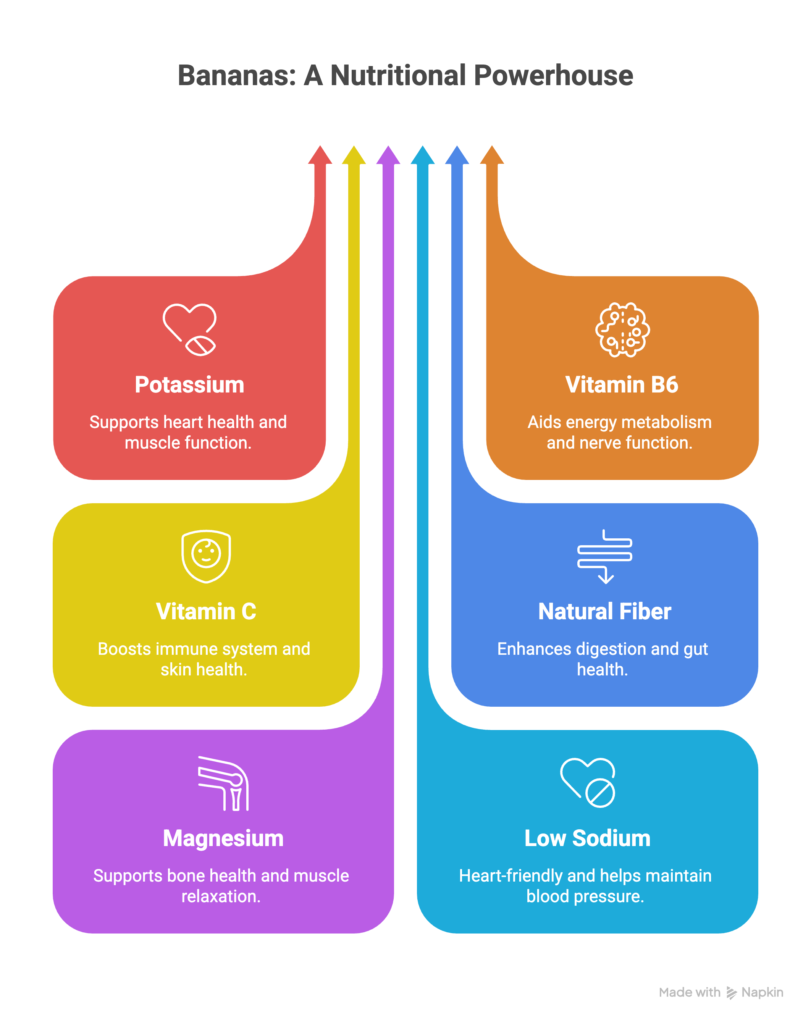
Bananas are packed with:
Potassium
Vitamin B6
Vitamin C
Natural fiber
Magnesium
Low sodium
Vets often recommend bananas as a healthy occasional treat for dogs. They’re soft, easy to digest, and gentle on most stomachs.
Key banana benefits for dogs include:
Digestive support (fiber): Bananas contain about 3 g of fiber per 100 g, which can help keep stools more regular and support gut health in some dogs.
Energy boost (carbohydrates): Bananas are rich in easily digestible carbs and natural sugars, giving a quick energy bump for active or playful dogs.
Potassium for muscles and heart: A medium banana provides around 350–450 mg of potassium, which helps muscles and nerves function normally.
Vitamins & minerals: Bananas offer vitamin B6, vitamin C, magnesium, and manganese, all of which support normal metabolism, immunity, and cell health.
But not every dog should eat bananas
Dogs with these conditions should be cautious:
Diabetes – bananas have natural sugar
Obesity – may cause weight gain
Kidney issues – potassium imbalance risk
Sensitive stomach – may cause loose motion
If your dog has any health concerns, always ask your vet before adding bananas to their diet.
Risks of Feeding Bananas to Dogs
Even though bananas are usually safe, they are not risk-free. Understanding the downside helps you protect your pup.
High natural sugar: Bananas contain around 12–15 g of sugar per 100 g, which can contribute to weight gain or affect blood sugar if overfed.
Digestive upset: Too much banana at once can cause loose stools, gas, or even diarrhea in some dogs, especially those with sensitive stomachs.
Allergy or intolerance: Rarely, a dog may react with itching, swelling, vomiting, or diarrhea after eating new foods like banana.
Banana peels are unsafe: Peels are not toxic but are tough to digest and can cause choking or intestinal blockage, so they should never be offered.
If your dog gets vomiting, persistent diarrhea, bloating, or weakness after eating banana, stop the treat and call your vet.
How Many Bananas Can Dogs Eat? (By Size Chart)
Pet parents often ask, “How much banana can I give my dog?” and “What happens if my dog eats too much banana?” The answer depends a lot on body size and overall diet.
Use this vet-style serving guide as a maximum occasional treat, not a daily rule:
| Dog size (adult) | Approx. weight | Safe banana amount (max at a time) | Frequency note |
|---|---|---|---|
| Extra-small | 2–20 lb | 1–2 thin ¼-inch slices | A few times per week, not daily |
| Small | 21–30 lb | Up to 3 thin slices | A few times per week |
| Medium | 31–50 lb | 4–6 slices (about ⅓ banana) | 1–3 times per week |
| Large | 51–90 lb | A small handful (up to ½ banana) | Up to a few times per week |
| Extra-large | 91+ lb | Up to ½ banana | A few times per week |
Treats, including banana, should not exceed about 10% of your dog’s daily calories. If your dog accidentally eats a whole banana, watch for tummy upset; contact your vet if you see vomiting, bloating, or diarrhea.
For small dogs, “how much banana is too much?” is usually anything more than a couple of slices regularly or more than about ¼ banana at once.
Best Ways to Feed Bananas to Dogs
On Pawgram, many pet parents turn banana time into bonding time. You can do the same with safe, simple serving ideas:
Fresh banana slices: Peel and cut into thin slices or tiny cubes and hand-feed as training treats.
Mashed banana topper: Lightly mash a spoonful and mix with your dog’s regular food for a special meal day.
Frozen banana treats: Slice banana, freeze the pieces, and offer 1–2 chunks to cool your dog on hot days; this is often asked as “Are frozen bananas safe treats for dogs?” — yes, in moderation.
Stuffed toys: Mash banana and stuff into a rubber treat toy, then freeze for a longer-lasting lickable snack.
Avoid:
Banana chips and dried bananas: These are usually much higher in sugar, sometimes fried, and may contain added salt or preservatives that are not ideal for dogs.
Banana bread or desserts: They may contain raisins, xylitol, nutmeg, or lots of sugar and fat, which can be harmful or toxic.
Can Puppies Eat Bananas? Important Notes
Yes, puppies can eat bananas, but with care.
Pawgram families often ask, “Can puppies eat bananas safely, or should I wait?” Healthy puppies can usually try a tiny piece of ripe banana as a rare treat once they are comfortably eating their normal puppy food.
Best Age: After 2 months, in tiny bits only.
Why Puppies Should Eat Less: Their stomach is sensitive. Too much banana may cause: Soft stool, Gas, Bloating
Signs Bananas Don’t Suit Your Puppy: Vomiting, Diarrhea, Itching, No appetite
Start with a piece about the size of your little fingernail.
Offer only once in a while, not daily, since puppies already have delicate tummies and very specific nutrition needs.
Watch for signs like soft stool, gas, scratching, or vomiting after the first few tries and stop if anything seems off.
Puppies need complete, vet-recommended puppy food as their main diet; fruits like banana are just “tiny extras.
When You Should NOT Give Bananas to Dogs
Avoid bananas if your dog has:
Diabetes – sugar risk
Pancreatitis – fatty treats can trigger flare-ups
Obesity – may cause weight gain
Very sensitive stomach – risk of diarrhea
If unsure, ask your vet.
Healthy Banana Dog Treat Recipes (Simple & Vet-Friendly)
Here are easy, dog-safe ideas that many Pawgram-style pet parents can make at home. Always introduce new treats slowly and in small portions.
1. Three-Ingredient Banana Dog Cookies
Ingredients: ripe banana, plain oat flour, and a spoon of plain, xylitol-free peanut butter.
Mash, mix to a dough, roll small shapes, bake until firm, cool completely, then serve in tiny pieces.
2. Frozen Banana Yogurt Bites
Mix mashed banana with plain, unsweetened yogurt, spoon into silicone moulds, and freeze.
Serve one small piece for small dogs, two for medium–large dogs as a hot-day treat.
3. Banana & Peanut Butter Lick Treat
Spread a thin layer of mashed banana and a thin swipe of natural peanut butter inside a lick mat or toy.
Freeze for 30–60 minutes and let your dog enjoy slowly under supervision.
Always choose dog-safe peanut butter (no xylitol or added sugar) and avoid overdoing calories.
If your pet is showing signs like vomiting, fever, or weakness after trying any homemade treat, consult a trusted veterinarian immediately. Pawgram always encourages safe, responsible pet care for long and healthy pet lives.
Other Fruits Dogs Can and Can’t Eat
Many parents ask, “What fruits can dogs eat besides bananas?” Some fruits are okay, while others are dangerous.
Generally safer options (in small, seedless pieces) include apples without seeds, blueberries, strawberries, and watermelon without seeds or rind.
Fruits your dog should never eat include:
Grapes and raisins – extremely toxic and can cause kidney failure, even in small amounts.
Cherries (pits, stems, leaves) – contain cyanide and can also cause blockages.
Large amounts of avocado – certain parts contain persin, which can be harmful in big quantities.
For more help, Pawgram will guide you with detailed blogs on dog illness signs, puppy food charts, dog grooming tips, dog winter care, and dog behavior problems so you can keep your best friend safe, from bowl to bedtime.
If your pet is showing signs like vomiting, fever, or weakness after eating any fruit, consult a trusted veterinarian immediately. Pawgram always encourages safe, responsible pet care for long and healthy pet lives.
Bananas are a sweet, gentle, and dog-friendly treat when given in the right amount. Your pup can enjoy them, wagging their tail with every bite. Just remember—moderation is the key, and every dog is different.
As loving pet parents, we always want the safest, healthiest choices for our fur babies. So stay informed, stay caring, and always listen to what your dog’s body is telling you.
For more loving pet-parent tips, nutrition guides, and vet-approved advice, visit Pawgram every day.
Your dog’s happiest, healthiest life starts with you.
FAQ's About Dogs and Bananas
It’s better to give bananas a few times a week rather than every single day so you don’t overload your dog with extra sugar and calories.
As a general rule, extra-small dogs can have 1–2 slices, small dogs up to 3 slices, medium dogs a few more, and large dogs up to about half a banana, always staying within 10% of daily calories from treats.
For some dogs, small amounts of banana can help support normal digestion thanks to fiber, but too much can cause loose stools.
Yes, if you give too much at once, especially to a dog with a sensitive tummy, bananas can lead to gas or diarrhea.
No, banana peels are not recommended because they are hard to digest and may cause choking or intestinal blockage.
Most diabetic dogs should avoid bananas or only have them if your vet specifically approves, because of the high sugar content.
Healthy puppies can try a very tiny piece once in a while, but their main nutrition should come from balanced puppy food, and you should watch closely for tummy upset.
Store-bought banana chips are usually too sugary or oily and may contain additives, so they are not a good everyday choice.
The fiber in bananas may help some mildly constipated dogs, but too much can also cause loose stools; always talk to your vet before using any home remedy for bowel issues.
Grapes, raisins, and cherry pits are among the most dangerous and can cause serious poisoning, so they must be avoided completely.
If your pet is showing signs like vomiting, fever, or weakness, consult a trusted veterinarian immediately. Pawgram always encourages safe, responsible pet care for long and healthy pet lives.
Most Popular Posts

Best Pet Shops in Hyderabad: Your Ultimate Guide for 2026

Do Dogs Need Winter Clothes? A Complete Guide for Pet Parents

Best Small Pets for Apartments: Quiet, Low-Maintenance & Space-Friendly Options

Why Do Dogs Eat Their Vomit: Normal or Worry? | Pawgram

Why Is My Dog’s Eye Red? Causes & Treatment | Pawgram

Best Aquarium Fish for Beginners Guide | Easy & Low-Maintenance Picks

- Pawgram is a loving space for pet parents. We share stories, tips, and care guides that help every paw live happier and healthier.
Contact US at bow@pawgram.pet
Copyright © 2025 Pawgram | All rights reserved.