Can Dogs Eat Bananas, Cucumbers & Avocados - Vet Expert Guide 2025
Most dog owners have had that moment, your pup’s eyes locked on your snack, tail wagging, silently asking, “Can I have a bite?”
It’s tempting to share a slice of banana or cucumber, or even a bit of avocado toast, but the real question is whether these foods are genuinely safe for dogs.
Search trends for can dogs eat cucumbers, can dogs eat bananas, and can dogs eat avocado keep climbing every year, and veterinarians continue to update their guidance.
Here’s what you need to know in 2025 about these three human favorites and how they affect canine health.
Can Dogs Eat Cucumbers?
Yes dogs can eat cucumbers safely, provided you serve them the right way.
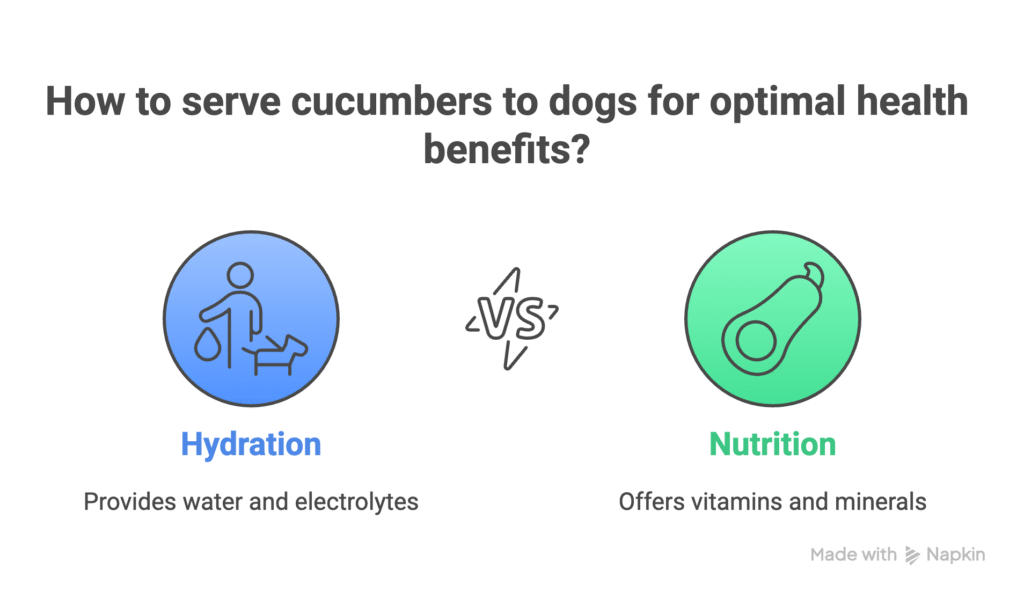
Cucumbers are made up of mostly water, contain minimal calories, and deliver a small vitamin boost without loading your dog with fat or sugar.
According to the American Kennel Club, plain cucumber slices are perfectly fine for healthy adult dogs.
- Hydration helper: Roughly 95 percent water, so great after playtime or on warm days.
- Rich in nutrients: Provides vitamins K and C, plus minerals like potassium and magnesium.
- Weight-friendly: Ideal for dogs on calorie-restricted diets.
Why They’re a Good Choice
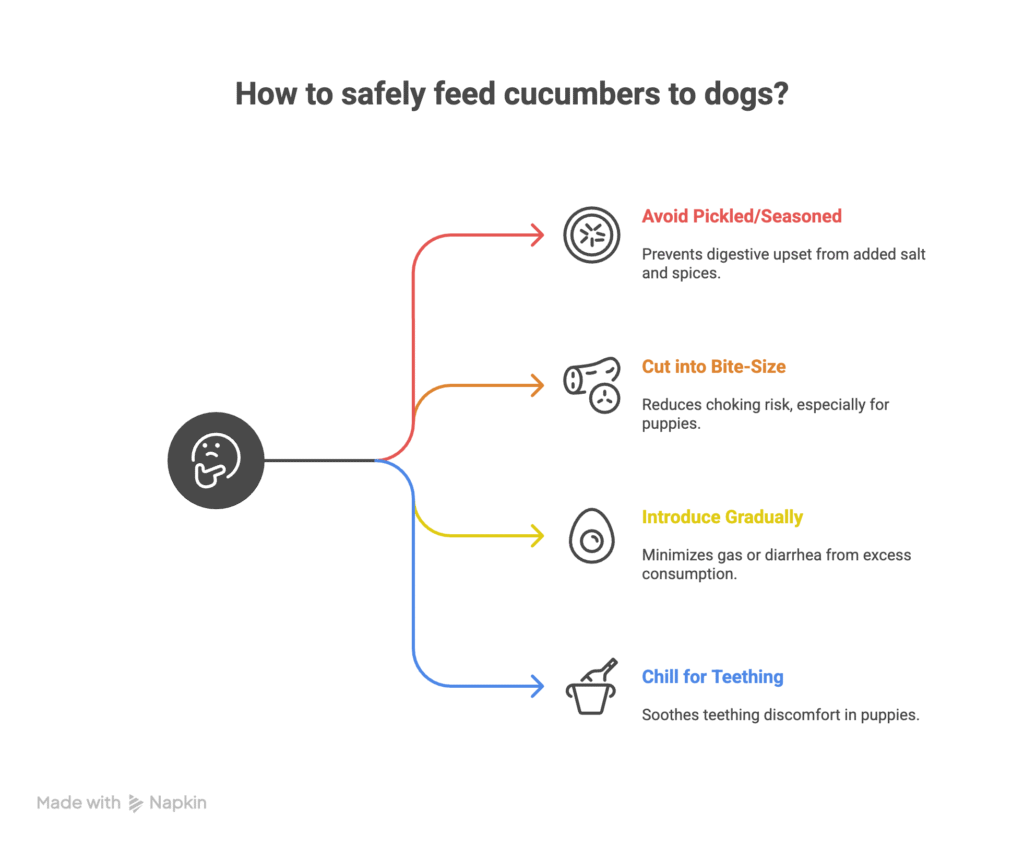
- Skip the pickled or seasoned versions, added salt and spices can upset digestion.
- Always cut into bite-size pieces to avoid choking.
- Introduce gradually; excess cucumber may cause mild gas or diarrhea.
Vet insight: Chilled cucumber slices can soothe teething discomfort in puppies and offer a safe crunch for adult dogs that need something to chew.
Can Dogs Eat Bananas?
Yes dogs can eat bananas, but they should stay in the occasional-treat category.
Bananas are soft, sweet, and packed with nutrients, yet they carry natural sugar that can add up quickly.
PetMD lists bananas among the safer fruits for dogs, noting that their vitamins and fiber support several key body systems.
Nutritional Benefits
- Potassium: Maintains muscle tone and heart function.
- Vitamin B6 and C: Aid metabolism and strengthen the immune system.
- Fiber: Promotes healthy digestion when offered sparingly.
When to Be Careful
- The peel isn’t toxic but is fibrous and hard to digest, always remove it.
- Avoid overfeeding; sugar spikes can lead to weight gain or gastrointestinal upset.
- Dogs with diabetes or pancreatic issues should avoid sugary fruit entirely.
Vet insight: For enrichment, mash half a banana with a spoon of plain yogurt, freeze in a rubber chew toy, and let your dog enjoy a safe, nutritious distraction.
Can Dogs Eat Avocado?
Here’s where professional advice gets serious.
When it comes to whether dogs can eat avocado, veterinarians largely say no, or, at best, only under specific guidance.
Avocados contain persin, a naturally occurring compound concentrated in the pit, skin, and leaves. While dogs aren’t as sensitive to persin as birds or horses, large quantities can still irritate the digestive tract.
AKC nutrition experts also warn that avocado flesh is high in fat, which raises the risk of pancreatitis in susceptible dogs.
Why It’s Best to Avoid
- Persin toxicity: Even mild exposure can trigger vomiting or diarrhea.
- Fat overload: May inflame the pancreas or cause weight gain.
- Physical hazard: The pit poses a serious choking and blockage risk.
Vet insight: If you want the skin benefits of avocado’s healthy oils, look for dog treats containing avocado oil that have been formulated and tested for pets. They deliver similar nutrients without the persin danger.
| Food |
Safe for Dogs? |
Main Benefits |
Cautions |
| Cucumber |
✅ Yes |
Hydration, vitamins, weight-friendly |
Avoid pickled or spiced; serve in small bites |
| Banana |
✅ Occasionally |
Energy, fiber, potassium |
High sugar; no peel |
| Avocado |
❌ No |
Contains healthy fats |
Persin toxin, high fat, choking pit |
Vet Insights for Modern Pet Parents
Veterinary nutrition has shifted toward personalized feeding plans. What’s harmless for one dog might irritate another depending on age, breed, metabolism, and health history.
Whenever you introduce a new fruit or vegetable:
- Start small. One slice or bite is enough to test tolerance.
- Watch closely. Look for vomiting, loose stool, or itching.
- Stay balanced. Snacks should make up no more than 10 percent of daily calories.
A healthy diet still relies on complete commercial or vet-formulated food as the base. Fresh fruits and veggies should remain supplements, not staples.
Final Thoughts, Smart Treating Made Simple
Here’s the takeaway for thoughtful pet parents:
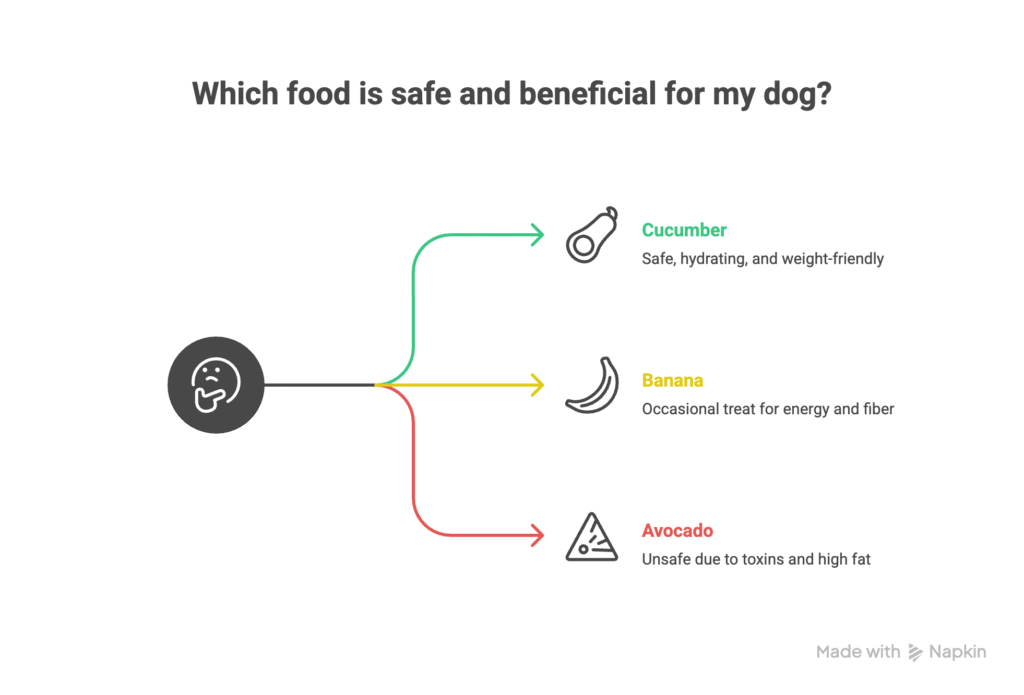
- Can dogs eat cucumbers? Yes, light and refreshing in moderation.
- Can dogs eat bananas? Yes, an occasional sweet, nutrient-packed snack.
- Can dogs eat avocados? Better to avoid, too risky for most dogs.
Feeding with care means knowing when to say yes and when a loving no keeps your dog safer. The best treat isn’t always the tastiest one, it’s the one that fits your dog’s health, size, and lifestyle.
So next time those puppy eyes appear, remember: sharing knowledge is just as rewarding as sharing a snack.
FAQ's
Most Popular Posts