Can Dogs Eat Chocolate, Chips, or Peanuts? 2025 Vet-Approved Guide for Pet Parents
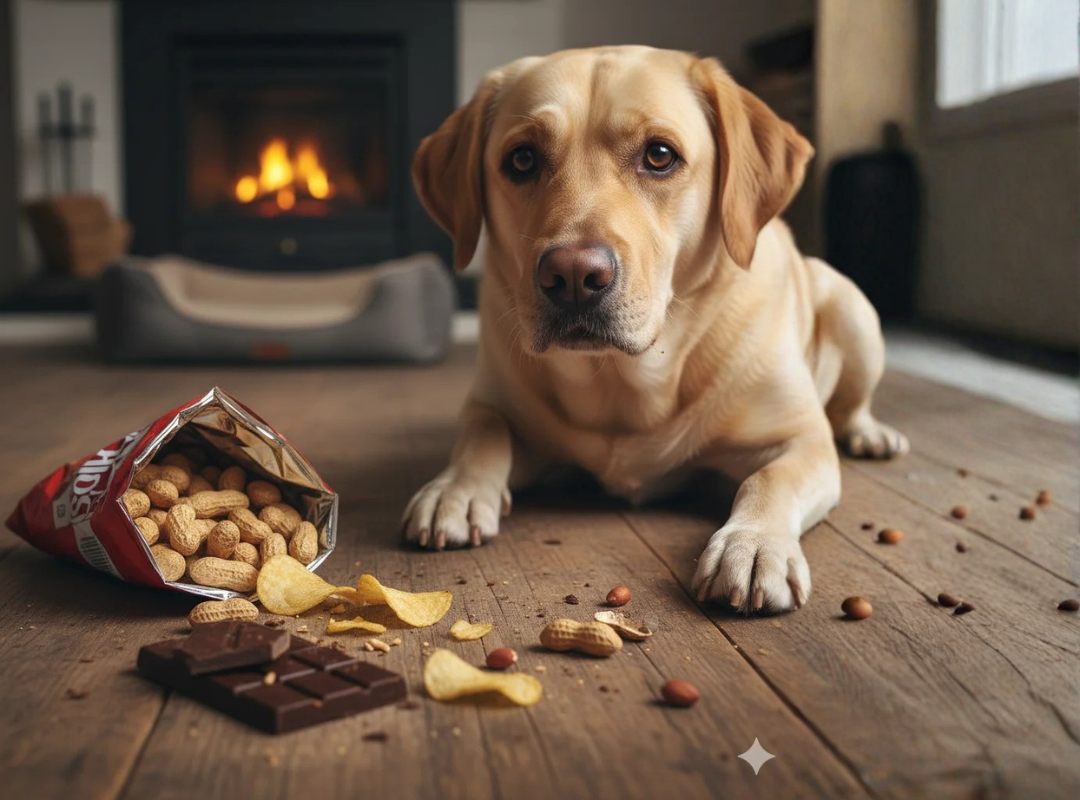
If you’ve ever caught your dog staring at your snack and found yourself typing “can dogs eat chocolate” or “can dogs eat chips,” you’re not alone. Every pet parent has been there — one second you’re enjoying a treat, and the next, your furry friend is begging for a bite.
But here’s the truth: not every human snack is safe for dogs. In fact, chocolate, chips, and peanuts remain three of the biggest troublemakers for dogs. Let’s explore what makes them harmful and what safer options you can choose instead.
Can Dogs Eat Chocolate, Chips, or Peanuts? 2025 Vet-Approved Guide for Pet Parents
Can Dogs Eat Chocolate? Absolutely Not
Chocolate might be a delightful mood booster for humans, but for dogs, it’s toxic.
Why chocolate is dangerous for dogs
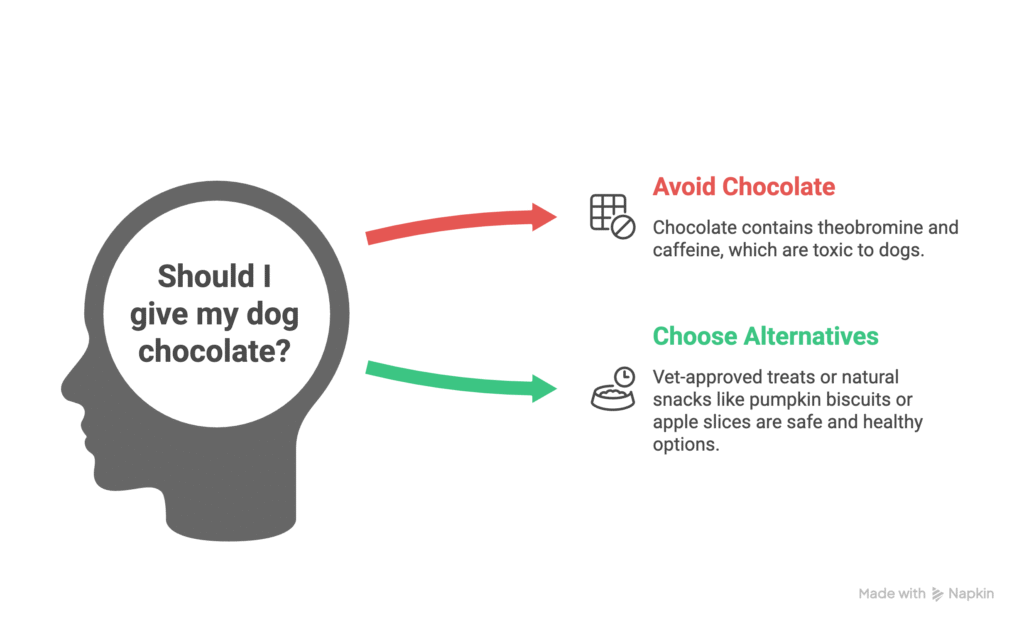
Chocolate contains theobromine and caffeine, two stimulants that dogs cannot metabolize efficiently. The toxicity level depends on the type of chocolate, the amount eaten, and your dog’s body weight.
Symptoms usually appear within 6–12 hours after consumption and may include:
Restlessness or hyperactivity
Vomiting and diarrhoea
Rapid heartbeat
Tremors or seizures
Dark chocolate and baking chocolate are the most dangerous forms — even a small bite can cause serious harm.
Quick tip: Instead of worrying about “can dogs eat chocolate,” choose vet-approved dog treats or natural snacks like pumpkin biscuits or apple slices.
Can Dogs Eat Chips? Sadly, Also No
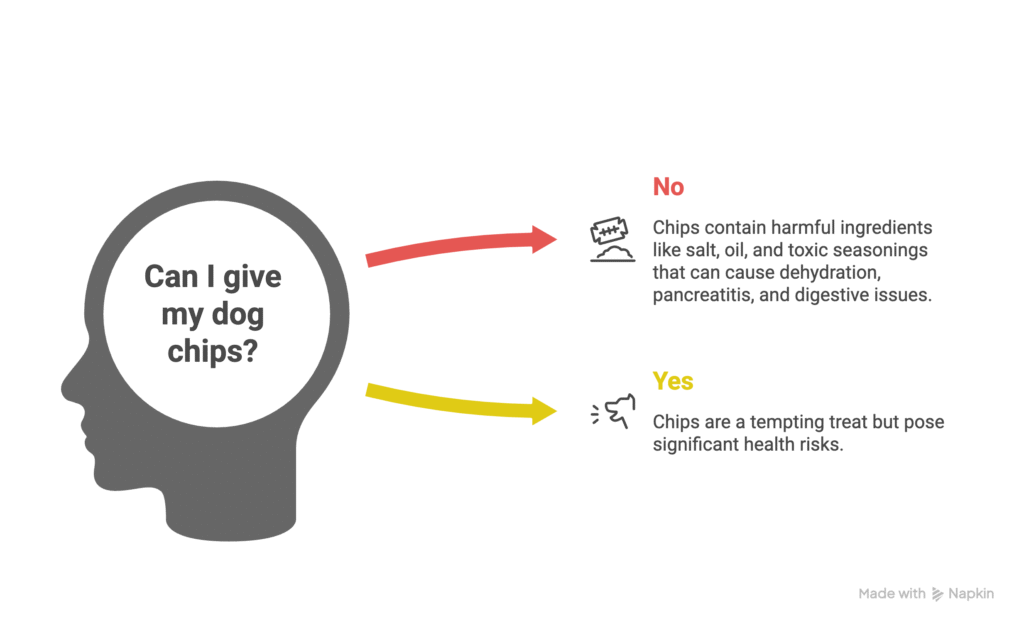
Let’s face it: when you open a bag of chips, your dog knows instantly. But while that salty crunch might tempt them, chips are a definite no-go for dogs.
Why chips are harmful
Most chips are loaded with:
Salt, leading to dehydration and sodium poisoning
Oil and grease, which can trigger pancreatitis
Artificial seasonings, like onion or garlic powder — both toxic to dogs
Regular chip consumption can lead to digestive distress, kidney strain, and weight gain.
Better alternatives: Try air-dried carrot sticks, plain rice cakes, or unsalted sweet potato chews for a similar crunch without the health risks.
Can Dogs Eat Peanuts? Only in Small, Plain Amounts
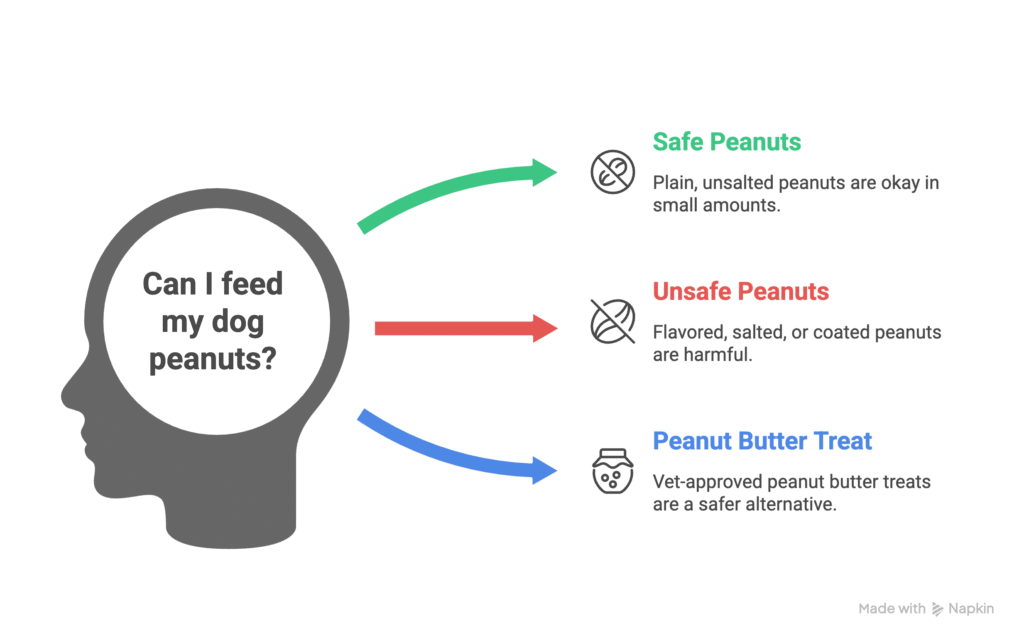
This one confuses most pet parents. Peanuts aren’t entirely bad, but they aren’t perfectly safe either. The answer to “can dogs eat peanuts” is yes, but only plain and unsalted ones.
When peanuts are okay for dogs
Dogs can enjoy peanuts that are:
Plain raw or roasted
Unsalted and unflavoured
Free from oils, coatings, or added sugar
Risks of feeding peanuts
High fat content may cause pancreatitis
Mould (aflatoxin) contamination is toxic
Allergic reactions can cause itching, swelling, or upset stomach
Many peanut-based snacks include seasoning or chocolate coatings, which make them unsafe for pets. If you want to treat your dog, choose a vet-approved peanut butter treat instead.
Quick Snack Safety Chart
| Human Snack |
Safe for Dogs? |
Reason |
| Chocolate |
No |
Contains theobromine and caffeine |
| Chips |
No |
Too much salt, oil, and artificial flavour |
| Peanuts |
Limited |
High fat, allergy risk, salt issues |
Signs Your Dog May Have Eaten Chocolate, Chips, or Peanuts
Keep an eye out for these symptoms after accidental snacking:
Drooling or unusual thirst
Restlessness or tremors
Vomiting or diarrhoea
Rapid heartbeat
Strange or sluggish behaviour
If any of these occur, contact your vet immediately or reach out to the nearest Pet Poison Helpline.
Healthier Snack Alternatives for Dogs in 2025
Skip the confusion about “can dogs eat chocolate,” “can dogs eat chips,” and “can dogs eat peanuts.” Instead, treat your pup to safe, nutrient-rich snacks:
Carrot sticks
Blueberries
Apple slices (without seeds)
Pumpkin cubes
Sweet potato chews
Vet-approved biscuits
These options are low in fat, easy to digest, and keep your dog’s coat shiny and energy levels high.
Final Thoughts: A Smart Pet Parent Chooses Wisely
So, can dogs eat chocolate, chips, or peanuts?
Chocolate: No, it’s toxic.
Chips: No, they’re unhealthy.
Peanuts: Only plain and unsalted ones, occasionally.
Remember, your dog’s body isn’t built for processed human snacks. Opt for natural, wholesome, dog-safe alternatives, and your furry companion will live a long, happy, tail-wagging life.
If you suspect your dog ate something dangerous, contact your vet immediately or refer to trusted resources like the RSPCA or WebMD Pets Toxicity Chart.
FAQ's