

Best Pet Shops in Hyderabad: Your Ultimate Guide for 2026
Cats Grooming Each Other: What This Heart-Melting Habit Really Means
Pawgram.pet
January 29, 2026
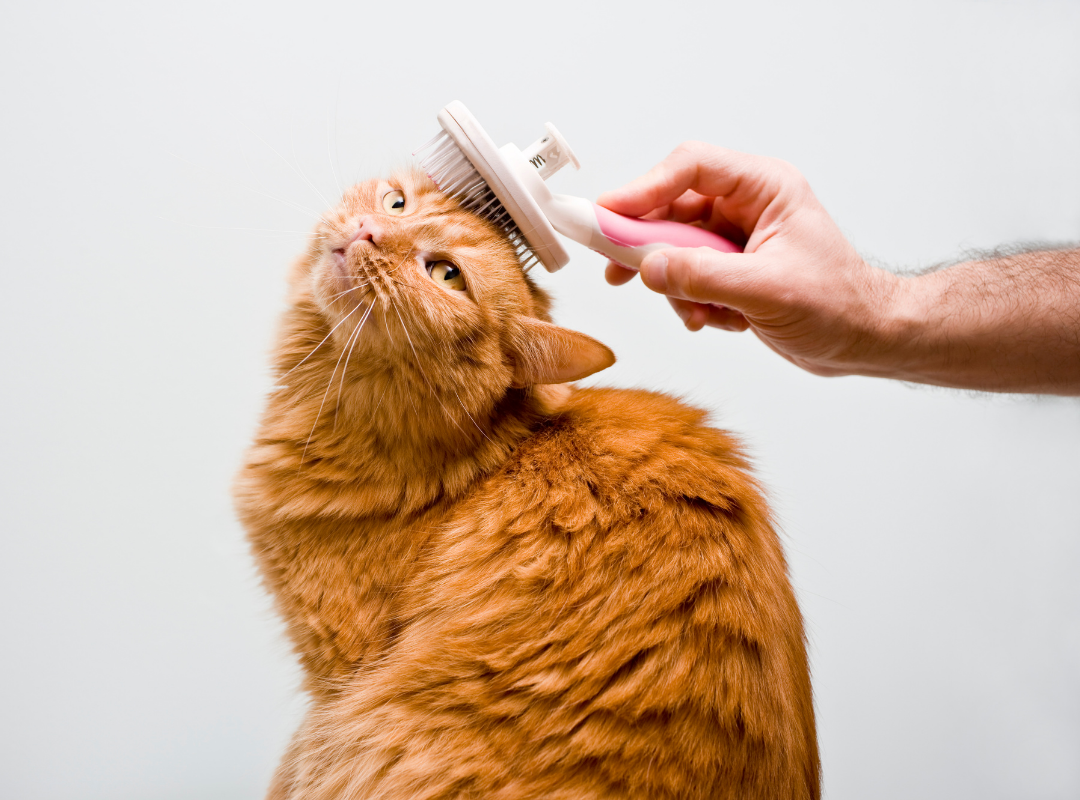
There’s a strange kind of stillness that fills a room when two cats begin grooming each other. Something about it feels old, almost instinctive, like watching a ritual that existed long before modern apartments and pet toys. One cat leans in, brushing its tongue across another’s fur with slow, practised strokes. The other cat tilts its head, accepting it, waiting for the next swipe. Anyone seeing the moment often wonders the same thing: why do cats groom each other and what’s really going on beneath that soft, sweet behaviour?
The habit looks simple, but it carries layers of meaning tied to survival, bonding, and something deeper in cat behavior & physiology. Many pet parents assume it’s just affection, but the gesture carries much more weight than that.
What’s Actually Behind This Grooming Ritual?
Watching two cats share this moment feels almost peaceful, but beneath it sits a mix of instinct and emotion. The question why do cats groom each other leads straight into how felines read the world. Most animals communicate through sound or obvious gestures. Cats often speak in quieter ways, through routines, habits, shared spaces, and, yes, grooming.
This grooming isn’t casual. It’s deliberate.
Felines who trust each other will allow the more sensitive spots, ears, the back of the neck, places that would normally be off limits, to be touched. Their entire communication style is built around subtle cues, many of which come from their evolutionary past. Cat behavior & physiology plays a major role in this, shaping everything from territorial decisions to social dynamics inside a multi-cat home.
Reasons Cats Choose to Groom One Another
This behaviour isn’t random. Cats don’t groom every cat around them. They select a specific few.
Some of the core reasons include:
- Social bonding
Grooming is a sign of trust. Cats build their closest relationships through it, especially in homes where multiple cats coexist. - Stress reduction
Gentle strokes across the fur lower tension. It works like a built-in calming mechanism. - Scent sharing
Cats rely heavily on scent. By grooming each other, they build a shared identity, marking one another with a unified smell. - Hard-to-reach areas
Ears and the top of the head can be tricky to clean. Another cat helps finish what solo grooming can’t.
Hierarchy and harmony
Grooming sometimes appears as a quiet negotiation. One cat might groom another to prevent conflict, smooth tension, or reinforce social balance.
Each reason fits into the larger picture of the question: why do cats groom each other? It’s a behavioural code that blends instinct with connection.
Grooming as Communication
Cats often rely on what can’t be heard. Grooming becomes a language that works without sound or dramatic movement. A stroke across the ear might indicate comfort. A long session may signal a strong bond. A short, hesitant lick could mean a cat is testing trust.
In groups, grooming helps maintain harmony. Cats will groom those they feel safest around, which explains why some feline pairs naturally gravitate toward each other more than others.
When two cats groom repeatedly, it becomes part of their rhythm, something that helps organise their day. The shared grooming pattern even connects back to cat behavior & physiology, where touching, warmth, and repetitive motions can reduce heart rates and soften anxiety.
What Grooming Says About Cat Dynamics
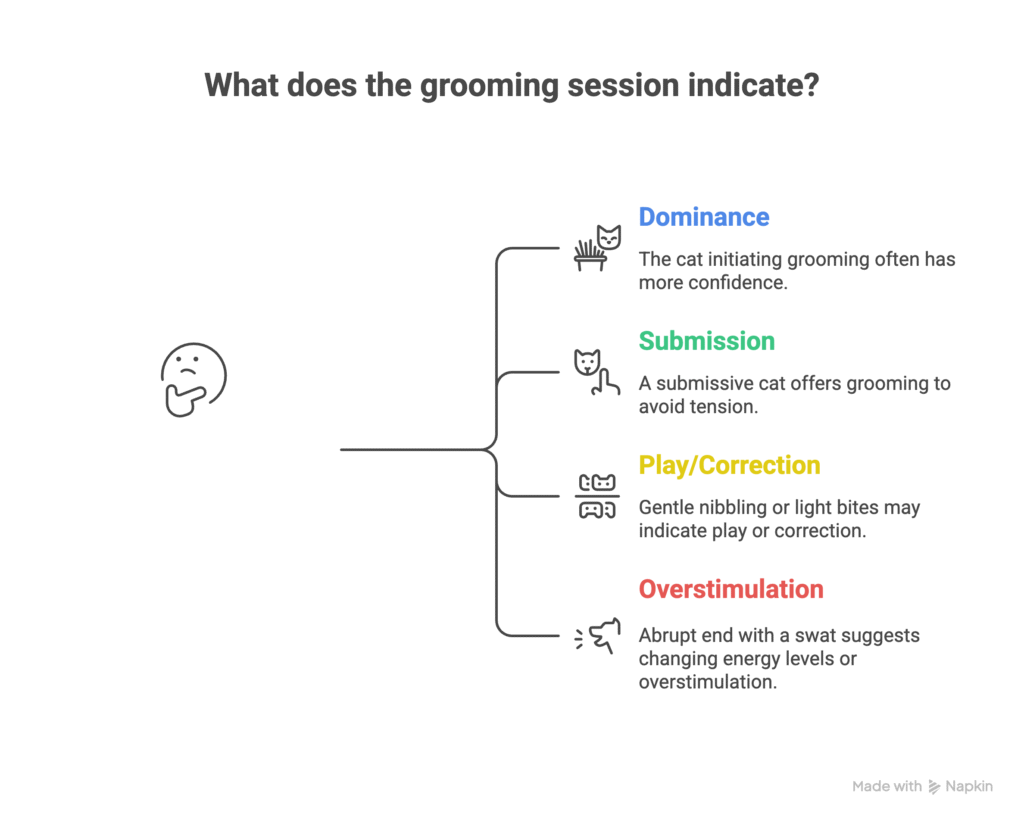
People often assume grooming is always affectionate, but it can reveal power dynamics too. Sometimes a dominant cat initiates grooming to maintain order. Other times, a submissive cat offers itself up to avoid tension.
Look a little closer and a few tells usually stand out:
- The cat who begins the grooming session often has more confidence.
- If grooming turns into gentle nibbling or light bites, it may be shifting into play or a subtle correction.
- If a grooming session ends abruptly with a swat, energy levels might be changing or one cat is overstimulated.
These details help decode the subtle ways cats communicate without speaking.
Why Cats Sometimes Choose Human Clothes for Comfort
While exploring feline habits, another behaviour often surprises cat parents: the tendency to sit, curl, or sprawl across freshly worn clothing. The question why do cats lay on your clothes has a surprisingly simple explanation.
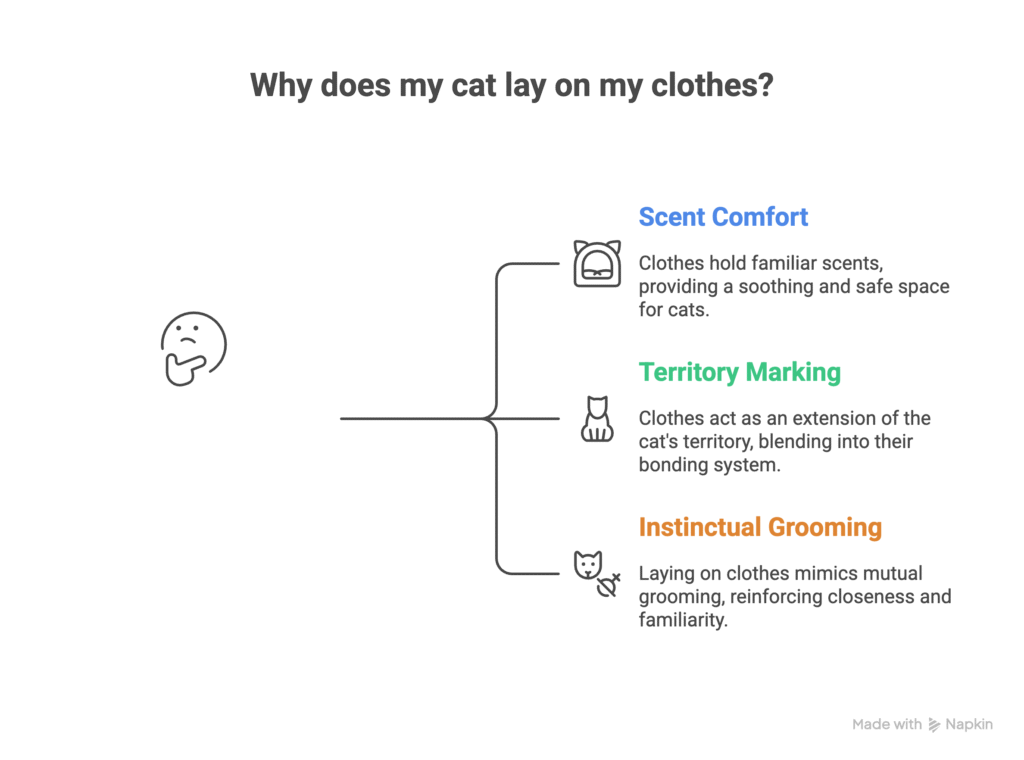
Clothing holds scent. And since scent is the main emotional anchor for cats, anything carrying a familiar smell becomes a comfort space. The warmth, the texture, the way the material holds their human’s scent, everything forms a safe, soothing spot.
Another layer to this habit is tied to territories. Clothes left on a bed or chair can feel like a soft extension of familiar turf. For cats already tuned to social grooming and scent marking, resting on clothes blends into their broader system of bonding.
Some believe this behaviour links back to the same instinct behind mutual grooming: a desire to stay close, to share scent, to blend familiarity into daily routines. That alone makes the pattern worth noting whenever why do cats lay on your clothes comes up in conversation among pet parents.
How Cat Grooming Strengthens Bonds in Multi-Cat Homes
In homes with more than one cat, allogrooming, the formal name for cats grooming each other, can reveal which cats share the strongest relationships. When two cats groom consistently, they often:
- Sleep near each other
- Share resting spaces without tension
- Switch roles during grooming sessions
- Allow closer physical contact throughout the day
This behaviour doesn’t always appear right away. Some cats take weeks or months to trust each other enough to groom. Once the habit begins, it usually signals the beginning of a lasting bond.
Understanding this helps pet parents read their cats more clearly, especially in households blending older and younger cats or rescued animals still adjusting to new environments.
Conclusion: What Grooming Really Means
The sight never gets old, two cats leaning into one another, exchanging those slow, deliberate strokes. The question why do cats groom each other can be traced to instinct, bonding, comfort, and the deep-rooted ways cats communicate without speaking.
Some behaviours are simply built into feline nature. Grooming happens to be one of the most beautiful ones. From social structure to emotional regulation, from shared scents to companionship, the act carries meaning far beyond its soft appearance.
And in the same world where grooming builds feline bonds, habits like why do cats lay on your clothes show how cats extend that desire for closeness into their relationship with humans too.
Cats may not speak, but their actions reveal a language, quiet, layered, and always worth paying attention to.
FAQ's
Cats groom each other—called allogrooming—to strengthen social bonds, reduce stress, share scent, and maintain harmony within their group. It’s a deep sign of trust and connection, especially in multi-cat homes.
Usually, yes. Cats don’t groom every cat around them—they choose the ones they feel safest with. Consistent grooming sessions typically signal a strong, healthy bond, shared comfort, and a stable relationship.
It can. While grooming is often affectionate, the cat who initiates grooming may be asserting confidence or maintaining social order. If grooming turns into gentle bites or ends abruptly, it may reflect shifting energy or overstimulation.
These are sensitive, hard-to-reach spots that cats can’t easily clean alone. Allowing another cat to groom these areas shows deep trust and comfort. It also strengthens their shared scent profile, which helps maintain group harmony.
Yes. Your clothes hold your scent, and scent is emotionally meaningful for cats. Just like grooming other cats spreads a shared smell, lying on your clothes helps them feel connected to you, calm, and secure.
Most Popular Posts

Best Pet Shops in Hyderabad: Your Ultimate Guide for 2026

Do Dogs Need Winter Clothes? A Complete Guide for Pet Parents

Best Small Pets for Apartments: Quiet, Low-Maintenance & Space-Friendly Options

Why Do Dogs Eat Their Vomit: Normal or Worry? | Pawgram

Why Is My Dog’s Eye Red? Causes & Treatment | Pawgram

Best Aquarium Fish for Beginners Guide | Easy & Low-Maintenance Picks

- Pawgram is a loving space for pet parents. We share stories, tips, and care guides that help every paw live happier and healthier.
Contact US at bow@pawgram.pet
Copyright © 2025 Pawgram | All rights reserved.