Rabbit Winter Care Tips for Beginners Warm, Easy Guide for New Bunny Parents
If you’re a new bunny parent, winter can feel scary.
You look at your rabbit’s tiny paws… their soft nose twitching… and you wonder:
“Is my rabbit feeling cold? Are they warm enough? Do they need blankets?”
You’re not alone.
Every winter, many Pawgram pet parents tell us:
Check out how to take care of dogs in winter
My rabbit started shivering in the morning… I didn’t know what to do.”
The good news?
With a little love, a few cozy changes, and some simple beginner steps, you can make winter easy, warm, and safe for your fluffy baby.
This guide is made especially for first-time rabbit owners, written in a warm, gentle, easy-to-understand Pawgram family.
Let’s help your bunny stay happy, healthy, and super cozy this winter.
Is Winter Dangerous for Rabbits? Understanding Their Cold Tolerance
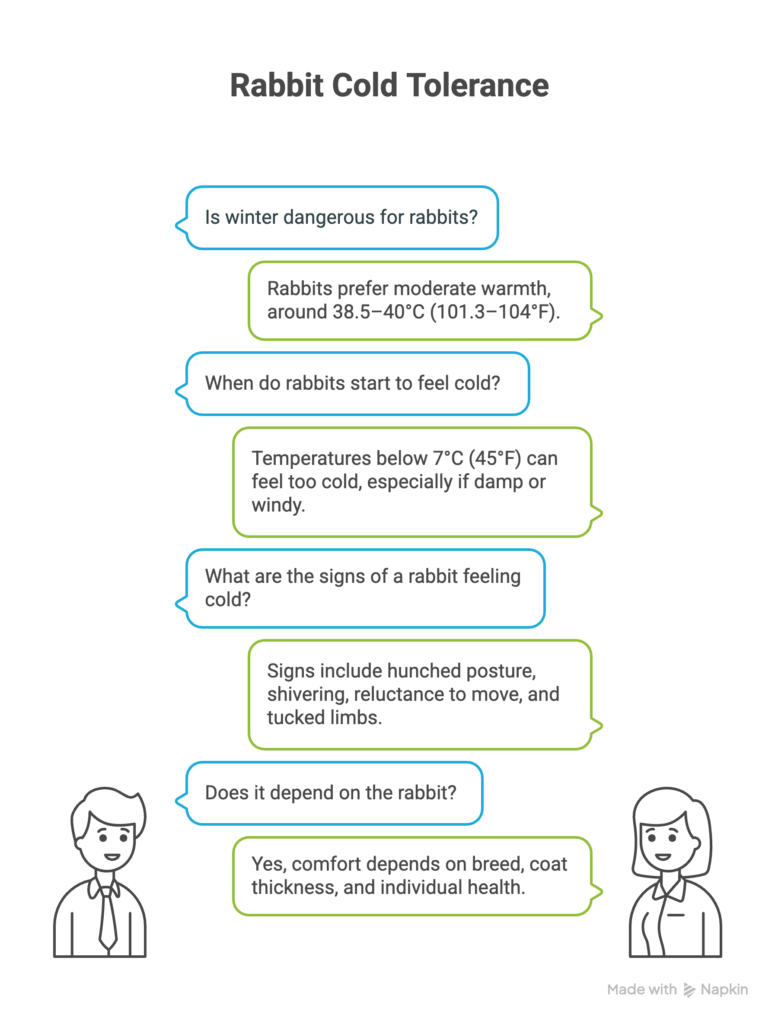
Rabbits have a normal body temperature around 38.5–40°C (101.3–104°F), which means they prefer moderate warmth.
Temperatures below 7°C (45°F) can start to feel too cold, especially if damp or windy.
Signs your rabbit feels cold include hunched posture, shivering, reluctance to move, and tucked limbs to conserve heat.
Just like people, rabbits’ comfort also depends on their breed, coat thickness, and individual health.
How to Keep Rabbits Warm in Winter Beginner-Friendly Guide
Create a Warm and Cozy Bedding Setup
Use thick layers of straw and hay as the base—they provide excellent insulation and your rabbit can cuddle into it.
Add fleece blankets on top for softness and extra warmth (avoid direct fleece contact to prevent moisture build-up).
Avoid cedar or pine shavings, which can irritate sensitive lungs during winter.
How to Make Your Rabbit’s Cage Winterproof
Use windbreak mats or waterproof tarps on exposed sides to block cold winds.
Using blankets, wrap up the hutch walls while ensuring proper ventilation to avoid moisture.
To keep the hutch from getting cold from the ground, raise it off the ground using bricks or wooden blocks.
Indoor vs Outdoor Rabbits – What’s the Safest in Winter?
Whenever possible, bring outdoor rabbits indoors during extreme cold snaps.
Ideal indoor room temperatures are 15–21°C (59–70°F).
If your rabbit is indoor-only, provide extra blankets or a heated pad designed specifically for pets but never use household heaters near them.
Feeding Rabbits During Winter
Winter Diet for Extra Warmth
Give plenty of high-fiber hay, which helps rabbits generate internal heat through digestion.
Add safe winter vegetables like kale, collard greens, and broccoli leaves for vitamins.
Offer warm water daily, as hydration helps keep blood flowing and body temperature steady.
How to Prevent Water from Freezing
Use heated water bowls made for pets or change water frequently to keep it fresh and unfrozen.
Check water multiple times a day during freezing weather.
Winter Health Risks Every Rabbit Owner Should Know
Common Winter Illnesses in Rabbits
Hypothermia can set in quickly—watch for lethargy, pale gums, and weakness.
Respiratory infections rise in winter due to damp, cold air—coughing or nasal discharge are warning signs.
Dehydration can sneak up if water freezes or rabbits drink less.
When to Take Your Rabbit to the Vet
Immediate vet visit if your rabbit has trouble breathing, constant shivering, or stops eating and drinking.
Early intervention makes all the difference in cold-weather illnesses.
Outdoor Rabbit Winter Care (Step-by-Step)
How to Keep Outdoor Rabbits Warm Below 0°C
Use insulated hutches with straw bedding and wind barriers.
Supplement warmth with safe heating pads designed for outdoor pets (never use electric blankets).
Create sheltered tunnels or dens where rabbits can burrow and feel secure.
Should You Bring Outdoor Rabbits Indoors? Pros & Cons
Pros: Better temperature control, easier monitoring of health, protection from predators.
Cons: Stress from new environment, need for rabbit-proofing indoors.
Many pet parents find bringing rabbits inside during harsh cold reduces winter sickness.
How Wild Rabbits Survive Winter (And What We Can Learn)
Wild rabbits grow thicker fur and fluff up to trap heat.
They burrow underground to escape wind chill and stay cozy.
They rely on natural shelter and steady food sources, lessons we can mimic with insulated homes and rich diets.
Winter Safety Do’s and Don’ts for Rabbits
Do provide thick, dry bedding and block drafts.
Do keep water unfrozen and food fresh.
Don’t use unsafe heaters or heating pads not made for rabbits.
Don’t bathe rabbits in winter—they lose body heat fast.
Don’t leave rabbits exposed to cold drafts or wet conditions.
Pet-Safe Recommendations
If your rabbit shows signs like vomiting, fever, refusal to eat, or weakness, contact a trusted veterinarian right away. Pawgram always encourages responsible pet care to ensure your rabbit’s winter is safe, warm, and filled with love.
Also Check Most Loved on Pawgram Blogs
Pawgram Paw-Points
Winter can be a little challenging for rabbits, but with your love and a few cozy changes, they can stay warm, safe, and full of happiness all season long.
Remember — to your bunny, you are their whole world.
How you prepare their winter home can make all the difference.
Keep caring… keep loving… and visit Pawgram daily for more warm, expert pet parenting tips.
FAQ's
Most Popular Posts