

Best Pet Shops in Hyderabad: Your Ultimate Guide for 2026
Tick Removal for Dogs: Safe & Easy Vet Guide | Pawgram
Pawgram.pet
January 29, 2026

The moment you find a tick on your dog, your heart drops a little. Maybe you were cuddling your buddy on the sofa and felt a tiny bump behind the ear. Or your usually playful pup suddenly seemed tired, itchy, and uncomfortable.
As a pet parent, these moments can be scary — especially when your dog looks at you with those soft eyes that say, “Please help me.”
Ticks don’t just irritate dogs; they can spread dangerous diseases if not removed properly. That’s why every pet parent should know safe tick removal for dogs, what to do after removing a tick, and how to prevent them in the first place.
This Pawgram guide combines vet-approved steps, real-life pet stories, and simple instructions so you can protect your dog with confidence and love.
What Are Ticks and Why Are They Dangerous for Dogs?
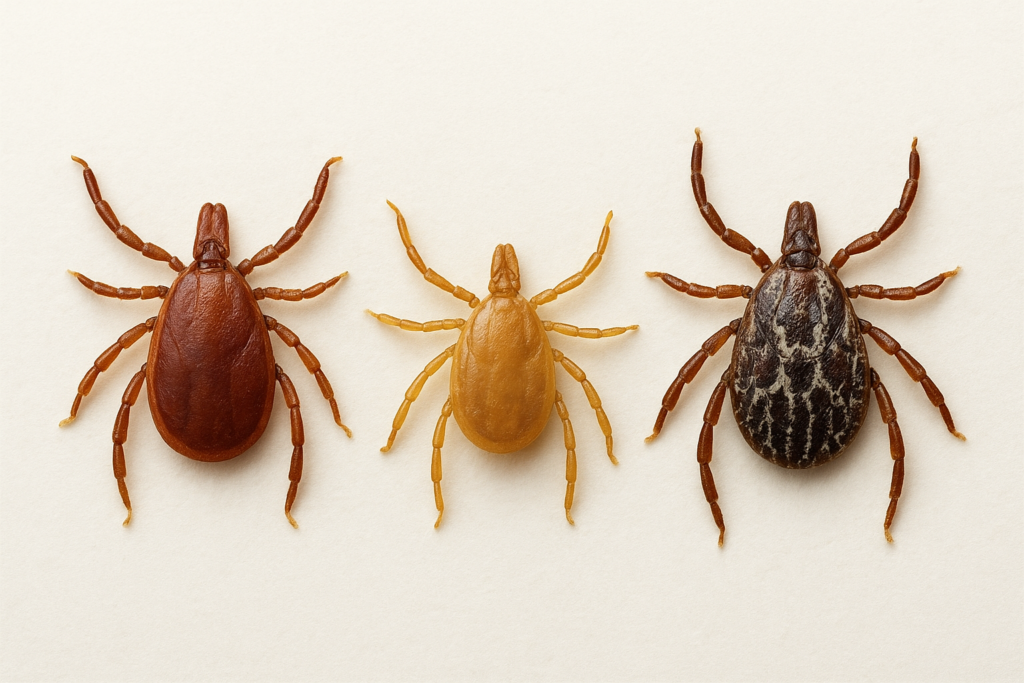
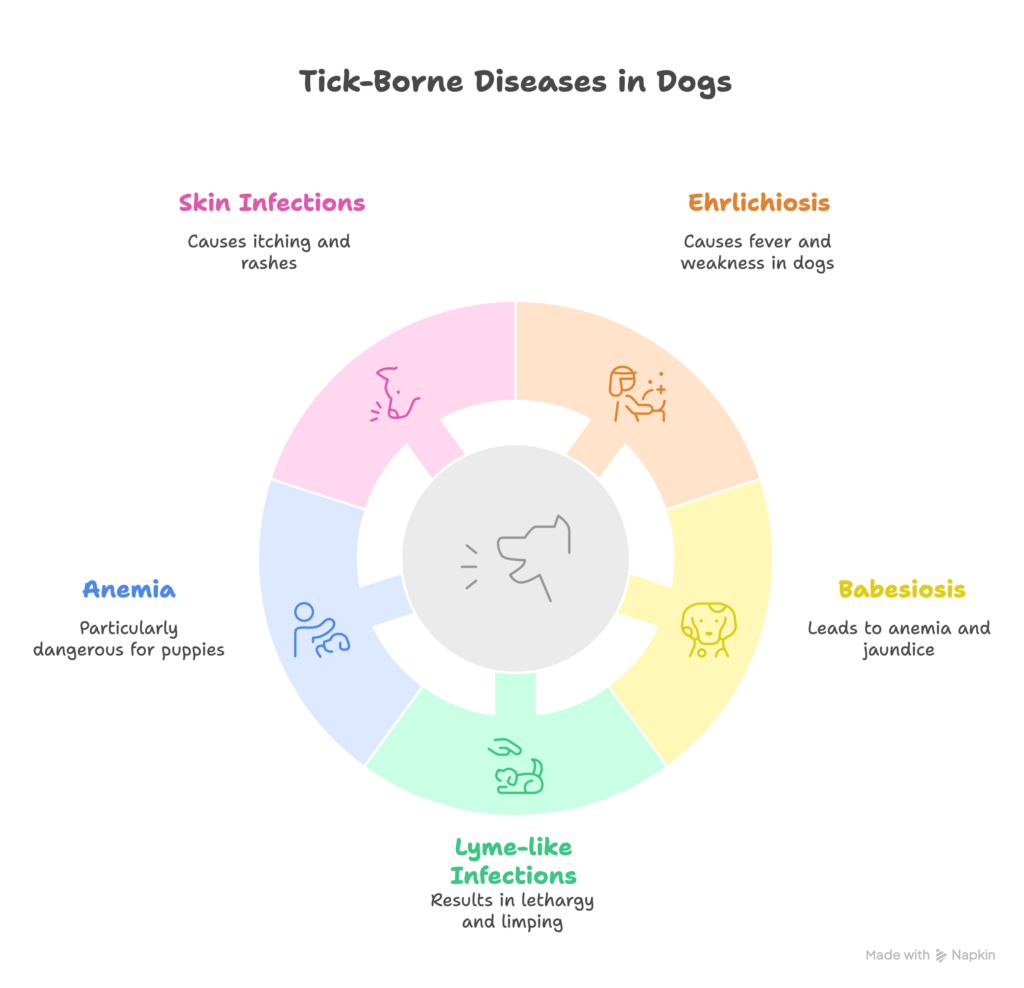
Ticks are small, spider-like parasites that latch onto your dog’s skin to suck blood, often hiding in fur after outdoor adventures. In India, common types include the brown dog tick and paralysis tick, thriving in grassy areas during monsoon and winter. These pests spread scary diseases like ehrlichiosis (causing fever and weakness) and Lyme-like infections, with early symptoms like lethargy, limping, or red bite spots.
Ticks are tiny parasites that attach to your dog’s skin and feed on blood. In India, the most common ones are:
Common Tick Types in India
Brown Dog Tick (most common in homes & kennels)
Asian Longhorned Tick
American Dog Tick (found occasionally)
Even one tiny tick can cause serious problems.
Diseases Ticks Can Cause in Dogs
Ehrlichiosis
Babesiosis
Lyme-like infections
Anemia (especially in small puppies)
Skin infections
Early Signs of Tick Bites
Constant itching
Red bumps or rashes
Hair loss patches
Weakness or fever
Loss of appetite
Lethargy or dullness
Swollen lymph nodes
If you see these symptoms, monitor closely and consult a vet.
Many Pawgram pet parents shared stories of their labs acting sluggish after hikes—early checks saved them from vet trips. Spotting ticks fast keeps your furry family member’s energy high and tails wagging.
How to Check Your Dog for Ticks (Daily Routine Guide)
Every pet parent should do a daily 2-minute tick scan, especially during summer and monsoon.
One Pawgram mom from Mumbai found 5 ticks on her Indie pup’s belly this way, preventing a big problem.
Use a fine comb to scan long-haired breeds like Golden Retrievers.
Reward with treats to make it fun—your dog will associate checks with cuddles.
Check paws after walks; ticks love hiding there.
High-Risk Tick Areas
Check these spots carefully:
Ears (inside & behind)
Neck folds
Under collar
Between toes
Armpits & groin
Tail base
Around eyes & chin
How to Check Properly
Part the fur with your fingers.
Use a tick comb to catch hidden ones.
Look for:
Hard brown bumps
Tiny white/cream tick eggs
Red bite marks
If you see a tick, don’t panic — follow the next steps.
Also Check: Complete Dog Nutrition & Safety Guide
Tick Removal for Dogs: Step-by-Step Guide (Beginner Friendly)
Tick removal for dogs is simple with the right tools: gloves, a tick remover hook (best tick-removal tool for dogs on Amazon), rubbing alcohol, and antiseptic. Never use kerosene, fire, crushing, or regular tweezers—these leave heads behind, risking infection.
Step-by-Step Tick Removal:
Step 1: Stay calm & steady your dog
Dogs can sense panic. Speak softly, pet them, keep them relaxed.
Step 2: Wear gloves
Ticks carry diseases — protect yourself.
Step 3: Use a tick removal tool
Slide the tool under the tick’s body, close to the skin.
Step 4: Twist — don’t pull straight
Rotate gently 2–3 times.
This loosens the tick’s grip safely.
Step 5: Lift the tick out
It should detach smoothly.
Step 6: Kill the tick
Drop it into a jar of alcohol.
Step 7: Clean the bite area
Use antiseptic or betadine solution.
If the head stays, don’t dig—monitor and see a vet. This method ensures safe, complete tick removal for dogs
Do’s & Don’ts:
Do: Pull slowly, disinfect bite.
Don’t: Squeeze body or twist with fingers.
Also Check: Can dogs drink coconut water
What to Do After Removing a Tick
Clean the bite with soapy water or antiseptic wipe right away to soothe the spot. Apply vet-recommended antibiotic ointment and watch for redness, swelling, or pus—signs of infection. Save the tick in a jar for your vet if symptoms like fever appear.
Monitor daily; most bites heal in days. If your pet shows weakness or vomiting, consult a trusted veterinarian immediately—Pawgram always encourages safe, responsible pet care for long, healthy pet lives.
Winter Care Tips: Dog illness signs.
Note it down: Remember where you found the tick. Re-check this area for 2–3 days.
Home Remedies to Remove Ticks from Dogs (Vet-Safe Only)
For gentle help, try neem oil for dog tick removal—dilute with water, spray on fur, and comb out (safe natural option). Coconut oil suffocates ticks; rub on, wait 30 mins, then remove. Apple cider vinegar rinse (1:1 water) repels too, but test a patch first.
Neem oil: Massage diluted on coat weekly.
Coconut oil: Great for home remedies for dog ticks without chemicals.
Avoid chemicals if natural fits; always vet-check first. Pawgram parents rave: “My beagle stopped scratching in 10 days!”
Pet-Safe Note: If your pet shows vomiting, fever, or weakness, consult a trusted veterinarian immediately.
Avoid internet myths like:
salt
turmeric paste
toothpaste
onions
These can irritate your dog’s skin.
Also Check: Dangerous foods to avoid for dogs
Best Dog Tick Removal Tools & Products
Gear up with top picks like tick remover hooks for easy grabs, tick combs for eggs, and dog tick collars for long-term protection. Spot-ons (best dog tick prevention drops) like Frontline apply monthly; vet-recommended tick shampoos for dogs clean safely.
Flea and tick sprays for dogs: Quick outdoor blasts.
Anti-tick powder for dogs: Dust after baths.
Oral tick tablets: Best tick medicines for dogs, vet-prescribed.
Dog grooming tips for full routines.
Tick Removal Tools
Tick twister
Tick hook
Fine-tooth comb
Vet-Approved Tick Products
Tick spot-on drops
Tick prevention collars
Tick shampoos
Flea & tick sprays
Oral tick tablets (highly effective)
Anti-tick powders for dogs
Use products recommended by your vet for your dog’s size & health.
Tick Prevention Plan for Dogs - Daily, Weekly, Monthly
Build a tick-free life: Daily checks post-walks, weekly baths with tick shampoo, monthly spot-ons. Mow grass short, vacuum yards, and use natural sprays indoors—key for tick and flea prevention for dogs naturally.
Daily
quick body check
wipe paws & belly after walks
Weekly
grooming
shampooing (if advised)
cleaning dog bed
Monthly
spot-on treatments
tick collars
home sanitization
Home Environment Check
Trim grass
Clean yard
Vacuum carpets
Wash bedding weekly
A clean environment means fewer ticks.
When Not to Remove Ticks at Home (Vet Required Cases)
Rush to vet for ticks near eyes/nose, heavy infestations, or if your dog seems weak/feverish. Embedded heads or vomiting mean pro help—don’t risk it.
Grooming Tips: Pair prevention with puppy food chart for strong immunity.
FAQ's
Use a tick hook: twist and lift gently—done in seconds safely.
Follow our steps with gloves and alcohol; natural like neem oil works too.
Tick remover hooks—better than tweezers, no head left behind.
Check for a black dot post-removal; red bump means vet time.
Neem oil or coconut oil suffocates them—comb out safely.
No—use tools to avoid infection; hands squeeze toxins.
Clean, antiseptic, watch for swelling—vet if fever.
Vinegar rinses, essential oils, yard cleanups weekly.
Daily, especially after outdoors—takes 2 minutes.
Risks diseases like fever; remove ASAP.
Alcohol drowns removed ones; prevention prevents bites.
Frontline or Advantix—waterproof protection.
Medicined shampoos with permethrin—weekly use.
Most Popular Posts

Best Pet Shops in Hyderabad: Your Ultimate Guide for 2026

Do Dogs Need Winter Clothes? A Complete Guide for Pet Parents

Best Small Pets for Apartments: Quiet, Low-Maintenance & Space-Friendly Options

Why Do Dogs Eat Their Vomit: Normal or Worry? | Pawgram

Why Is My Dog’s Eye Red? Causes & Treatment | Pawgram

Best Aquarium Fish for Beginners Guide | Easy & Low-Maintenance Picks

- Pawgram is a loving space for pet parents. We share stories, tips, and care guides that help every paw live happier and healthier.
Contact US at bow@pawgram.pet
Copyright © 2025 Pawgram | All rights reserved.