

Best Pet Shops in Hyderabad: Your Ultimate Guide for 2026
Why Is My Dog’s Eye Red? Causes & Treatment | Pawgram
Pawgram.pet
January 29, 2026
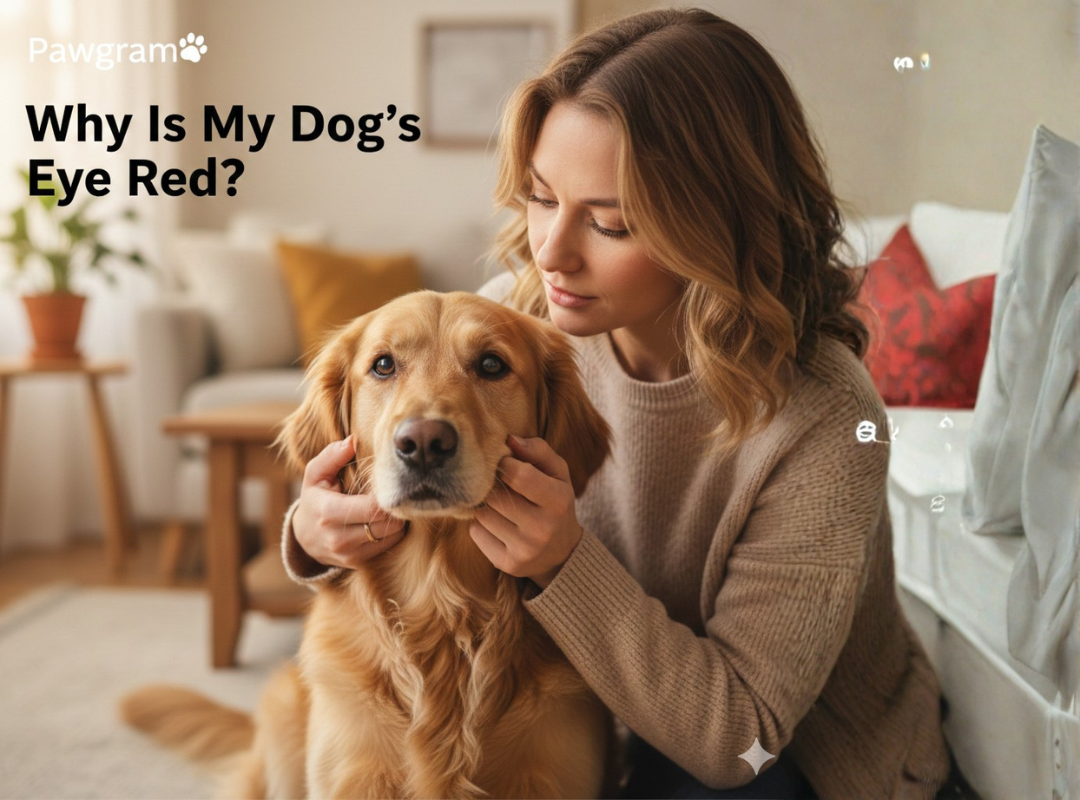
If you’ve looked at your dog today and thought, “why my dog eye is red?”, you’re not alone—and you’re not overreacting. A red eye can be scary for any pet parent. Is it allergies? An infection? Something serious that needs a vet right now?
Breathe easy. This guide breaks it down simply, with vet-approved insights. You’ll learn common causes of red eyes in dogs, safe home tips, and red flags that scream “vet now.” Your furry friend depends on you—let’s get their sparkle back.
What Does It Mean If My Dog’s Eye Is Red?
Red eyes in dogs often mean irritation or inflammation. Think of it like your own eyes getting pink from allergies—uncomfortable but usually not scary.
Mild redness might look like a slight pink tint. Your pup could still wink at you happily, with no squinting or discharge.
Serious cases? The eye looks bright red, swollen, or bloodshot. Your dog paws at it constantly or keeps it shut. Spotting mild vs. serious helps you act fast.
Mild red eye signs:
Faint pink color, no pain
Clears up in a day or two
No cloudiness or pus
Serious red eye signs:
Deep red or bloody look
Swelling around the eye
Thick goop or constant tearing
Not sure? Snap a photo and call your vet. Early steps keep things simple for Pawgram families.
Why Is My Dog’s Eye Red? Common Causes Explained
Let’s break down the most common reasons dog parents ask, “why is my dog’s eye red?”
1. Eye Allergies (Very Common)
Just like humans, dogs can get eye redness from allergies.
Symptoms
Red or bloodshot eyes
Watery discharge
Mild swelling
Itching or rubbing
Common triggers
Pollen
Dust
Mold
Smoke
Certain foods
Allergy-related redness often affects both eyes and improves when the trigger is removed.
2. Eye Infections (Bacterial or Viral)
Eye infections are a top reason for dog bloodshot eyes.
Symptoms
Redness with thick discharge
Yellow or green mucus
Squinting
Crusting around the eye
Infections usually don’t heal on their own and need vet-prescribed medication.
3. Injury or Foreign Object
If your dog was playing too hard, running through bushes, or digging in the dirt, they might have gotten a small scratch or something stuck in their skin.
Symptoms
Redness in one eye only
Sudden onset
Pawing at the eye
Squinting or blinking a lot
This is often why pet parents search:
“why is my dog’s eye red in one eye only?”
4. Dry Eye (Keratoconjunctivitis Sicca)
Dry eye happens when your dog doesn’t produce enough tears.
Symptoms
Red, irritated eyes
Thick discharge
Dull or dry-looking eye surface
This condition requires long-term management with vet guidance.
5. Glaucoma (Emergency Condition)
Glaucoma is caused by increased pressure in the eye and can lead to blindness.
Symptoms
Severe redness
Bulging eye
Cloudiness
Pain
Sudden vision loss
If you’re asking “is a red eye in dogs an emergency?”, glaucoma is a definite yes.
6. Uveitis (Internal Eye Inflammation)
Uveitis is inflammation inside the eye and can be linked to infections, immune issues, or trauma.
Symptoms
Deep red eye
Sensitivity to light
Squinting
Cloudy appearance
This always requires veterinary attention.
Could Glaucoma Be Behind My Dog’s Red Eye?
Glaucoma builds eye pressure, causing sudden red, painful eyes. It’s serious and fast-moving.
Warning signs:
Cloudy or bulging eye
Vision loss (bumping walls)
Dilated pupil
Older dogs or breeds like Cocker Spaniels are prone. This needs same-day vet care.
Are Breeds More Prone to Red Eyes in Dogs?
Yes! Brachycephalic pups (Pugs, Shih Tzus) have bulging eyes exposed to air and debris. Herding dogs get grass seeds stuck.
Know your breed’s risks. Pawgram’s breed guides help spot breed-specific dog eye red triggers.
When Is a Red Eye in My Dog an Emergency?
Not all red eyes wait. Some scream “emergency” to save vision.
Rush to the vet if you see:
Blood in the eye or white part
Eye protruding or chemosis (swollen conjunctiva)
No improvement in 24 hours
Pain signs: whining, hiding, not eating
Deep redness with lethargy? Could be uveitis or trauma. Vets use tools like stains to check fast.
Pawgram tip: Save your clinic’s after-hours number. Peace of mind for worried parents.
Are Dog Eye Drops Safe for Red Eyes?
Over-the-counter dog eye drops tempt quick relief. But are they safe for why my dog eye is red fixes?
Human drops? Skip them—wrong pH irritates more. Saline flushes okay for rinsing debris, but not treatment.
Prescription drops from vets? Gold standard. They target infection or inflammation safely.
Safe drop rules:
Only vet-recommended brands
No steroids without diagnosis (worsens ulcers)
Follow doses exactly
Ask your vet first. Wrong drops delay real healing.
Can I Treat My Dog’s Red Eye at Home?
Home care shines for mild cases, but it’s no vet replacement. Always get a pro opinion for dog eye redness treatment.
Gentle home tips (with vet disclaimer):
Cool compress: Clean cloth in cool water, 5 minutes, 2-3 times daily. Soothes itch without chemicals.
Keep clean: Saline wipe around (not in) eye. Avoid cotton balls—they shed.
E-collar: Prevents pawing. Cheap at pet stores.
Limit irritants: No dusty walks, smoke-free home.
Rest: Dim lights, quiet space.
These ease mild allergies or dust. Stop if worse—call vet. Never use tea bags or milk; they risk infection.
Monitor 24-48 hours. Improvement? Great. Stuck? Vet time.
How Do Vets Diagnose and Treat Red Eyes in Dogs?
Vets make it painless. Fluorescein stain glows scratches under blue light. Pressure checks rule out glaucoma.
Treatments match causes:
Infections: Antibiotic drops
Dry eye: Tear stimulators
Allergies: Antihistamines or wipes
Scratches: Healing ointments
Most pups bounce back in days. Follow-up keeps eyes clear.
Pawgram partners with vets for telehealth—quick checks from home.
ALSO CHECK
FAQ's
One red eye often means injury, scratch, or localized infection. Both eyes? Allergies or dry eye more likely. Vet exam pins it down.
Mild cases fade in 1-2 days with care. Infections or scratches take 5-7 days on treatment. Persistent? See vet.
Rarely alone, but stress weakens immunity, inviting infections. Calm environments help overall eye health.
Some infections (like pink eye) spread dog-to-dog via shared bowls. Isolate and clean. Not to humans usually.
Cool compresses and saline rinses top our list. Always vet-approved—check Pawgram's care library.
Puppies heal slow. Any redness over 24 hours, discharge, or lethargy? Vet ASAP to protect growing eyes.
Most Popular Posts

Best Pet Shops in Hyderabad: Your Ultimate Guide for 2026
Do Dogs Need Winter Clothes? A Complete Guide for Pet Parents

Best Small Pets for Apartments: Quiet, Low-Maintenance & Space-Friendly Options
Why Do Dogs Eat Their Vomit: Normal or Worry? | Pawgram
Why Is My Dog’s Eye Red? Causes & Treatment | Pawgram
Best Aquarium Fish for Beginners Guide | Easy & Low-Maintenance Picks

- Pawgram is a loving space for pet parents. We share stories, tips, and care guides that help every paw live happier and healthier.
Contact US at bow@pawgram.pet
Copyright © 2025 Pawgram | All rights reserved.